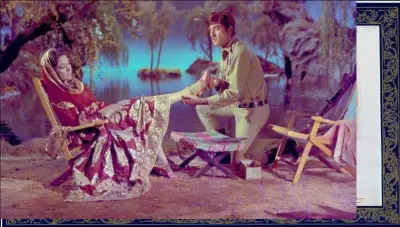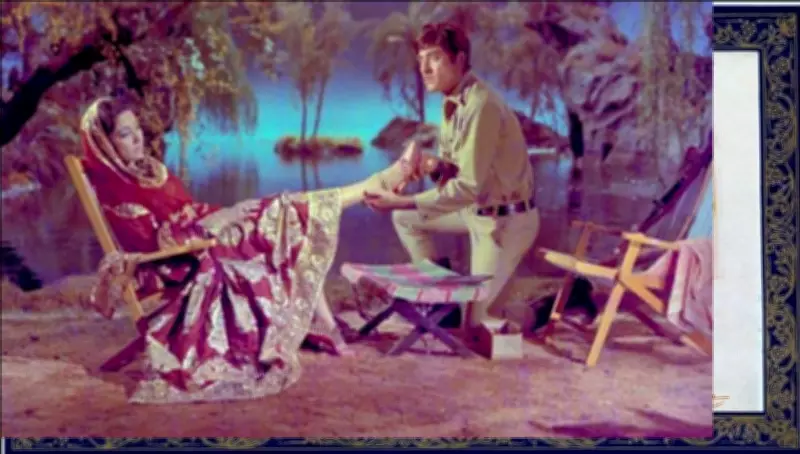
Meena Kumari, often hailed as the Tragedy Queen of Indian cinema, remains an enigmatic figure whose life was as poignant as the roles she portrayed on screen. Born as Mahjabeen Bano on August 1, 1932, in Bombay, she began her career as a child artist and rose to become one of the most celebrated actresses in Indian film history. Her journey is a tale of extraordinary talent interwoven with personal sorrow and unfulfilled desires.
Early Life and Career Beginnings
Meena Kumari's entry into the film industry was almost inevitable, given her family's background. Her father, Master Ali Bux, was a poet and musician, while her mother, Iqbal Begum, was a stage actress. She made her debut at the age of seven in the film Leather Face (1939) and later appeared in several child roles. Her breakthrough as a leading lady came with the film Baiju Bawra (1952), where her performance as Gauri earned her critical acclaim and established her as a major star.
The Rise to Stardom
Throughout the 1950s and 1960s, Meena Kumari delivered a string of memorable performances in films like Parineeta (1953), Pakeezah (1972), and Sahib Bibi Aur Ghulam (1962). Her ability to convey deep emotion and vulnerability made her the quintessential tragic heroine. Her collaborations with directors like Kamal Amrohi and Bimal Roy produced some of the most enduring classics of Indian cinema.

Personal Struggles and Turmoil
Despite her professional success, Meena Kumari's personal life was marked by turbulence. Her marriage to filmmaker Kamal Amrohi was fraught with difficulties, leading to a separation that deeply affected her. She also struggled with alcoholism, which took a toll on her health and career. Her relationship with poet Gulzar, who directed her in films like Dil Apna Aur Preet Parai (1960), added another layer of complexity to her life.
Legacy and Impact
Meena Kumari's legacy extends beyond her filmography. She was also a poetess, writing under the pen name Naaz. Her poetry, collected in the book Tanha Chand, reflects her inner turmoil and longing. Her life story continues to inspire biographies, documentaries, and even a biopic starring Richa Chadha, titled Meena Kumari: The Tragic Queen. Her contribution to Indian cinema is immeasurable, and she remains a symbol of artistic brilliance and personal tragedy.
In conclusion, Meena Kumari's inner world was a complex tapestry of talent, love, pain, and resilience. Her ability to channel her personal experiences into her art created performances that resonate with audiences even today. She passed away on March 31, 1972, but her legacy lives on, reminding us of the fragile beauty of human emotion.