Aima Mehmood, a socialist who co-founded the Sanati Mazdoor Ittehad, challenged the dominance of older male leaders and introduced technology into union work. Fatima Majeed, from a fisherfolk community, rose to become Senior Vice Chairperson of the Pakistan Fisherfolk Forum, fighting for environmental justice. Halima Zulqarnain Laghari, founder of the All Sindh Lady Health Workers Association, overcame personal violence and jail time to advocate for health workers. Kaneez Fatima, from sitting on a dock as a child to leading at Regal Chowk, became Pakistan's first woman trade union leader, serving brick kiln workers, hari women, bonded labourers, sanitary workers, and peasants.
Tragically, few schoolchildren today would recognize these remarkable women. This reflects a failing education system and a society poorer for not knowing these names. A social experiment asking education champions about these women would reveal much about what children are taught.
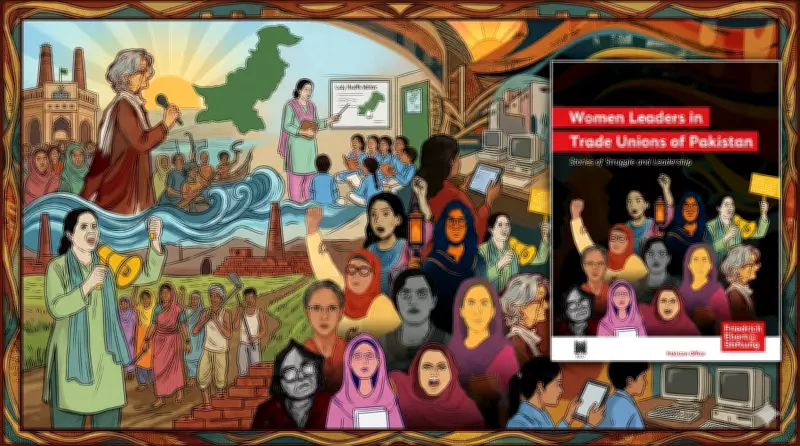
The publication 'Women Leaders in Trade Unions of Pakistan' documents 11 stories of women who sustained movements for decades despite postcolonial, capitalist, patriarchal structures that offer little economic or personal security. This collaboration between Dr. Saba Gul Khattak, FES Pakistan, and Beaconhouse National University is a graphic novel illustrated by BNU students, making it a visual delight.

From Nusrat Bashir's legal fight for brick kiln workers to Saba Ali Baig's story of women uplifting women, this is not an easy read. But it is not academic work tucked away in libraries; it is authentic documentation of those who deserve to be heard. These stories show what justice driven by passion and humanity can achieve.
Each woman learned the harsh reality of being female in Pakistan, yet formed individual paths—from being based in Beijing to bringing about the Bonded Labour System (Abolition) Act, 1992. Pakistani women, regardless of class, face similar battles, though severity varies with birth luck. What defines these women is channeling personal demons into fighting for a greater good—for women, children, and men.
In an age where words are weaponized for polarization, depicting these case studies through graphic imagery captures their harshness effectively. This remarkable work should be mandatory reading for schoolchildren across Pakistan.