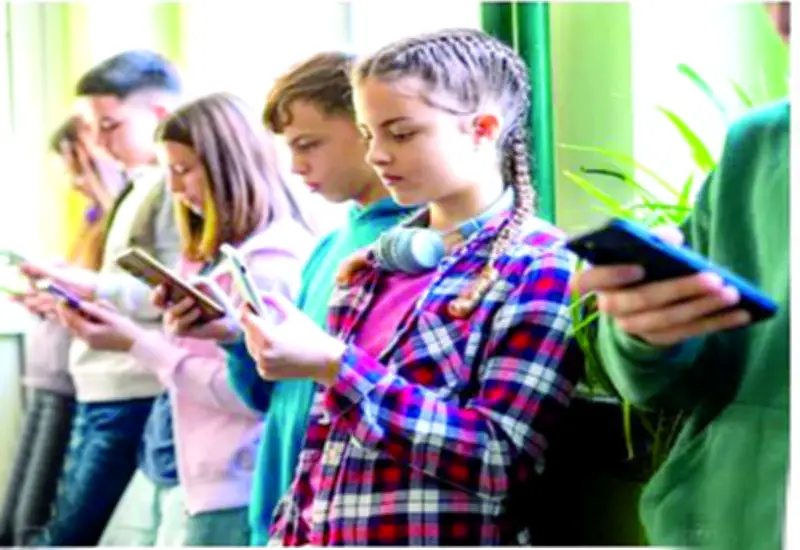
British Prime Minister Keir Starmer announced on Monday a comprehensive ban on social media platforms for children under 16, alongside new restrictions on gaming and live-streaming services. The measures, which exceed those of any other country, target platforms like Snapchat, TikTok, Instagram, and gaming sites that allow strangers to contact minors.
Key Announcements
Speaking to reporters, Starmer said the sweeping changes would “give kids their childhood back.” He emphasized that the ban would make children safer, happier, and provide them with more time, security, freedom, and opportunity. The government plans to extend controls to gaming platforms, potentially including overnight curfews and limits on infinite scrolling for under-18s.
Scope of the Ban
YouTube, Facebook, and X (formerly Twitter) will be covered by the ban, but messaging services like WhatsApp and Signal are exempt. Services designed for children and education, such as YouTube Kids, Lego Play, and Google Classroom, will not be affected. The ban also includes “world-leading blocks” on livestreaming and preventing strangers from contacting children.

Expert Concerns
Some experts doubt the effectiveness of a blanket ban. Research Professor Amy Orben from the University of Cambridge noted that enforcement in Australia remains incomplete, with most young people still online at similar rates. However, she suggested that a ban could shift public perceptions and reduce the acceptability of social media among younger age groups.
Social media companies have already implemented child safety measures, including new algorithms, in response to tightening regulations. They warned that a blanket ban could push young people toward riskier, unregulated platforms. YouTube stated it has invested in age-appropriate experiences and protections for over a decade. Snapchat argued that an outright ban would disconnect teens from private messaging with friends and family, which accounts for most of its usage. Meta, owner of Facebook and Instagram, cited Australia's experience, saying bans risk isolating teens from online communities and driving them to less safe alternatives.
Implementation and Timeline
A ban could be in place by next spring, supported by existing powers and new regulations due by the end of the year. The measure will likely require age checks for all users, a step already introduced by regulator Ofcom for porn sites. Ofcom expressed readiness to work on expanding age verification.
Starmer acknowledged that children might circumvent the restrictions but argued that the ban would bring long-term cultural change. The announcement comes amid a likely leadership challenge for Starmer, and the ban could become a key part of his legacy.
International Context
Britain’s approach goes further than Australia, which was the first country to ban social media for children. Several other nations are also exploring regulations to limit social media access due to growing concerns over children's health and safety.
While a majority of parents and politicians support the ban, some psychologists and researchers remain skeptical, noting a lack of proof that it would work. A group of London schoolchildren expressed a conflicted relationship with technology.