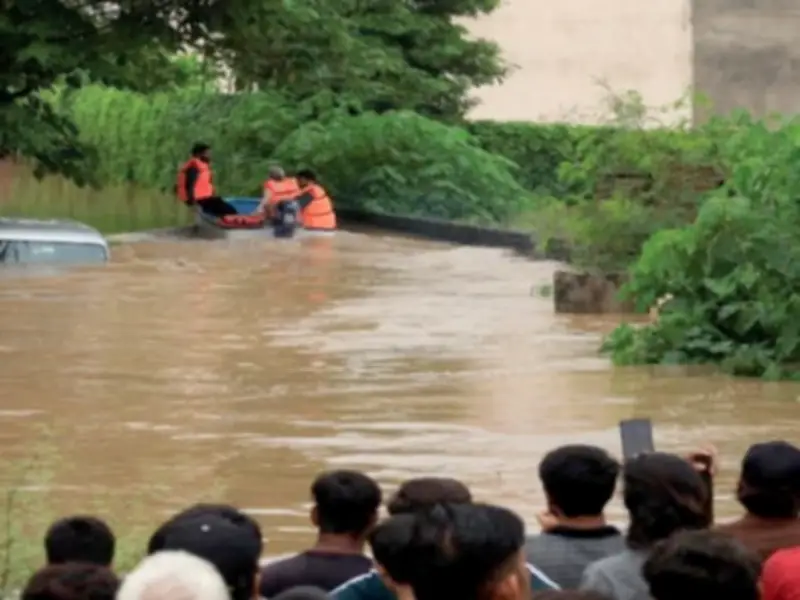
As Pakistan braces for another monsoon season, thousands of families devastated by last year's floods in Punjab and Khyber-Pakhtunkhwa remain in a precarious state, according to a recent survey by Pattan Development Organisation (Pattan) and Coalition-38. The survey, covering 140 households across 35 severely affected settlements, reveals that rehabilitation efforts have fallen short, leaving many survivors economically insecure and vulnerable to future climate disasters.
Survey Highlights Incomplete Rehabilitation
The research indicates that promises of livelihood restoration, housing reconstruction, and community infrastructure rehabilitation remain largely unfulfilled. Most communities surveyed are located near rivers and have experienced repeated flooding over the past 15 years. As a result, many survivors are entering the upcoming monsoon season with heightened anxiety and reduced capacity to cope.
One of the most alarming findings is the inequality in the recovery process. While a small number of households received adequate compensation and rebuilt their homes, the majority continue to suffer from damaged housing, lost livelihoods, mounting debts, and depleted assets. Many respondents alleged that access to compensation was driven by political connections and local influence rather than genuine need, suggesting that disaster impacts are shaped by existing social and economic inequalities.

Disproportionate Benefits for Elite
The survey further indicates that post-disaster rehabilitation programmes may have unintentionally strengthened the influence of local elites. Wealthier and more influential groups appear to have benefited disproportionately, while poorer families face persistent challenges, including unemployment, housing insecurity, and limited access to essential services.
According to the survey, more than three-quarters of respondents reported receiving little or no meaningful assistance from government institutions. Nearly 79% of households described themselves as poorer than before the floods, while fewer than 7% said they had fully recovered their homes, livelihoods, or assets.
Quantitative Gaps in Recovery
The data reveals significant gaps in rehabilitation efforts. Only 20 out of 140 surveyed households reported receiving government compensation. More than two-thirds of families were unable to properly repair or rebuild their homes, while 57% said they had experienced no recovery in terms of lost livelihoods. Additionally, 42% reported no meaningful recovery from their overall losses, and more than 40% estimated it would take between five and ten years to return to pre-flood economic conditions.
Climate Change and Preparedness Concerns
Climate change is widely recognized by affected communities as a major factor behind increasing flood severity. More than 90% of respondents identified climate change as a key driver of extreme and unpredictable flooding. At the same time, most participants expressed dissatisfaction with government preparedness and adaptation measures.
Perhaps most concerning is the near absence of community-level disaster preparedness mechanisms. There was little evidence of functioning early warning systems, evacuation planning, or local disaster risk-reduction initiatives. Respondents noted that such measures were either unavailable or ineffective when the floods occurred.
Broader Impacts and Recommendations
The research also highlighted concerns regarding access to safe drinking water, environmental degradation, and declining public trust in government institutions. In times of crisis, many survivors reported relying more on relatives, friends, and local social networks than on state agencies or international organizations.
To address these challenges, the surveyors recommended strengthening community-based disaster preparedness programmes, ensuring transparency in compensation and relief distribution, reducing corruption through digital systems, enhancing social accountability mechanisms, empowering local governments, and promoting renewable energy solutions as part of climate resilience strategies.

One year after the floods, many survivors remain trapped in a cycle of poverty, debt, and uncertainty. As climate change intensifies extreme weather events, rehabilitation cannot be treated as a short-term humanitarian exercise. It must become part of a broader strategy for climate adaptation, social protection, and disaster resilience. While the government has acknowledged the risks posed by climate change, there is little evidence of the political commitment required to support millions of flood-stricken citizens. Unless urgent action is taken, the communities hardest hit by last year's floods may once again bear the heaviest burden of Pakistan's climate crisis.