Peshawar Division Accelerates Dengue Prevention with New Action Plan
In a decisive move to combat the potential spread of dengue virus, Peshawar Division has officially activated the Dengue Action Plan 2026. This proactive initiative comes amid recent rainfall and the approaching peak dengue season, aiming to minimize outbreaks through coordinated efforts.
High-Level Meeting Drives Implementation
The decision was finalized during a critical meeting chaired by Commissioner Peshawar Division Riaz Khan Mehsud. The session brought together key stakeholders including Deputy Commissioners, District Health Officers, Chief Executives of Water and Sanitation Services, and representatives from Tehsil Municipal Administrations across all five districts: Peshawar, Nowshera, Charsadda, Mohmand Tribal District, and Khyber district.
Participants received comprehensive briefings on the ongoing implementation of the 2026 plan, current preparations, and the strategic future course of action. Deputy Commissioners and District Health Officers presented detailed updates on field activities, surveillance operations, cleanliness drives, and public awareness campaigns already underway.

Multi-Sectoral Strategy for Dengue Control
The core objective of the Dengue Action Plan 2026 is to significantly reduce dengue transmission through enhanced multi-sectoral collaboration. Key elements of the strategy include:
- Effective coordination among all relevant departments
- Comprehensive environmental management
- Robust vector surveillance systems
- Timely response mechanisms
- Capacity building initiatives
- Active community involvement programs
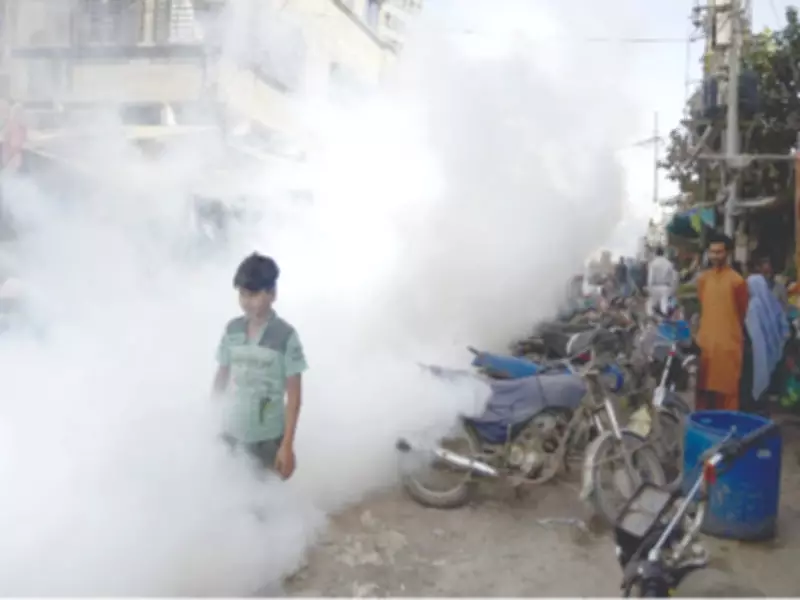
The plan is structured around three distinct phases: pre-season (February to June), peak season (July to November), and post-season (December to January). Specific measures encompass daily vector surveillance, immediate fogging in identified hotspots, systematic larval elimination, and enhanced hospital preparedness.
Commissioner Issues Directives for Immediate Action
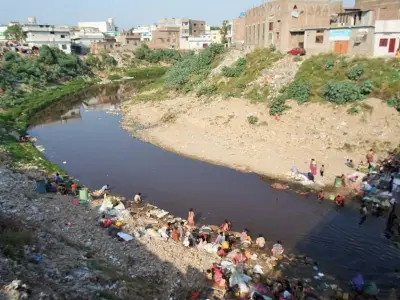
Addressing the meeting, Commissioner Mehsud directed all relevant departments to expedite preventive measures without delay. He specifically emphasized ensuring prompt drainage of stagnant water following recent rainfall to prevent mosquito breeding sites from developing.
"All line departments must fulfill their responsibilities promptly and effectively," the Commissioner stressed. "No laxity will be tolerated in cleanliness, water drainage, larval eradication, or surveillance efforts."
He ordered the immediate commencement of anti-dengue spraying operations as weather conditions change, aiming to prevent a repeat of previous outbreaks. Commissioner Mehsud made it clear that any officer or official showing negligence in dengue control would face strict disciplinary action.
Comparative Data Highlights Seasonal Patterns
A comparative review of dengue cases from previous years revealed a consistent seasonal surge, particularly from August to October. This historical data underscores the critical need for intensified preemptive actions during the current period.
Enhanced Public Awareness and Emergency Preparedness
The Commissioner emphasized that dengue prevention must be ensured at all costs, calling for intensified public awareness campaigns. These include house-to-house surveillance under entomologists' supervision alongside maximum utilization of print, electronic, and social media platforms.
The meeting also reviewed the emergency response plan for any potential surge in cases. This contingency strategy includes establishing an Emergency Response Cell, rapid resource mobilization capabilities, daily situation reporting systems, and targeted fogging operations in identified hotspots.
Concluding the session, all stakeholders reaffirmed their commitment to coordinated efforts for effective dengue control, with the ultimate goal of providing a safe and healthy environment for the public across Peshawar Division.