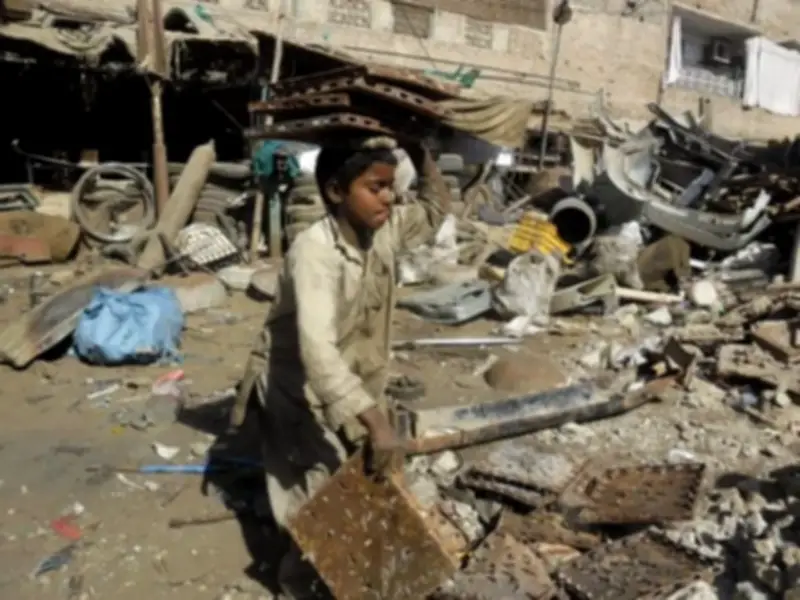
A national report launched on Thursday by the National Commission for Human Rights (NCHR) in collaboration with UNICEF has revealed that more than 8.6 million children in Pakistan are engaged in child labour. Among them, over 6.6 million are involved in hazardous work that threatens their health, safety and development.
First Comprehensive Survey in Decades
Titled 'Pakistan: Child Labour Surveys, Evidence for Action', the report provides the first nationally representative child labour dataset in nearly three decades. It offers a comprehensive assessment of the scale, distribution, sectors and drivers of child labour across the country. NCHR Chairperson Rabiya Javeri Agha noted that Pakistan's last comprehensive child labour survey was conducted in 1996, forcing policymakers and development partners to rely on outdated and fragmented data for more than 20 years.
Provincial Breakdown
According to the findings, Punjab carries the largest burden with around 6 million children engaged in labour. Sindh follows with 1.6 million child labourers, while Khyber-Pakhtunkhwa has 745,155, Balochistan 201,352 and Islamabad Capital Territory 15,180. Agha noted that while child labour prevalence varies among provinces, hazardous child labour remains a widespread problem affecting children nationwide.

Key Drivers and Impact
The report identifies poverty as the strongest driver of child labour, with children from the poorest households and families with low parental education most likely to be affected. Boys are significantly more likely than girls to be involved in labour, including hazardous occupations. A substantial share of child labour takes place within family settings, including farms, workshops and homes, making it largely invisible to conventional labour inspection mechanisms.
The report also highlights the severe impact on children's wellbeing. Working children are more likely to be out of school, work long hours and suffer injuries, illness, fatigue and poor mental health. Across provinces, between 32% and 58% of working children reported work-related injuries or illnesses, while up to one-third of older child labourers reported symptoms of depression.
Call for National Reassessment
Federal Minister for Human Rights Azam Nazeer Tarar said the challenge could not be addressed by a single ministry or intervention. He stated that the evidence shows child labour is far more widespread than commonly assumed and called for a reassessment of national priorities.