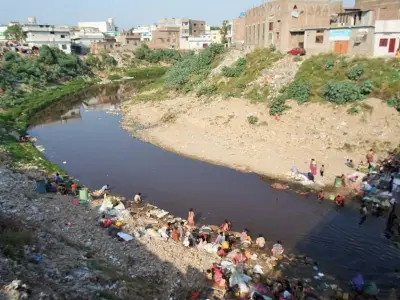
A comprehensive review meeting was held to assess the progress of various public health engineering projects. The session focused on evaluating the current status, identifying bottlenecks, and ensuring adherence to timelines and quality benchmarks. Officials emphasized the critical importance of these projects for community well-being, particularly in providing safe drinking water and improved sanitation facilities.
Key Projects Under Review
The meeting covered multiple initiatives, including water filtration plants, sewerage systems, and drainage networks across different districts. Detailed presentations were made by project directors, highlighting achievements, challenges, and future milestones. Special attention was given to projects in rural and underserved areas to bridge the infrastructure gap.
Timely Completion and Quality Assurance
Authorities stressed the need for strict adherence to project schedules without compromising on quality. Regular monitoring mechanisms were discussed to ensure that construction standards meet specifications. Any delays or substandard work would be met with accountability measures.

Community Impact and Sustainability
The long-term impact of these projects on public health was underscored. Improved water quality is expected to reduce waterborne diseases, while better sanitation will enhance overall living conditions. Sustainability plans, including community participation and maintenance frameworks, were also deliberated to ensure the longevity of the infrastructure.
Officials reiterated their commitment to completing all projects within the stipulated timeframes, with a focus on transparency and efficiency. Further review meetings will be held periodically to track progress and resolve issues promptly.