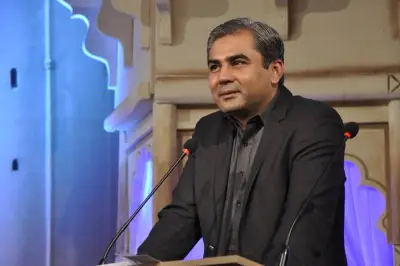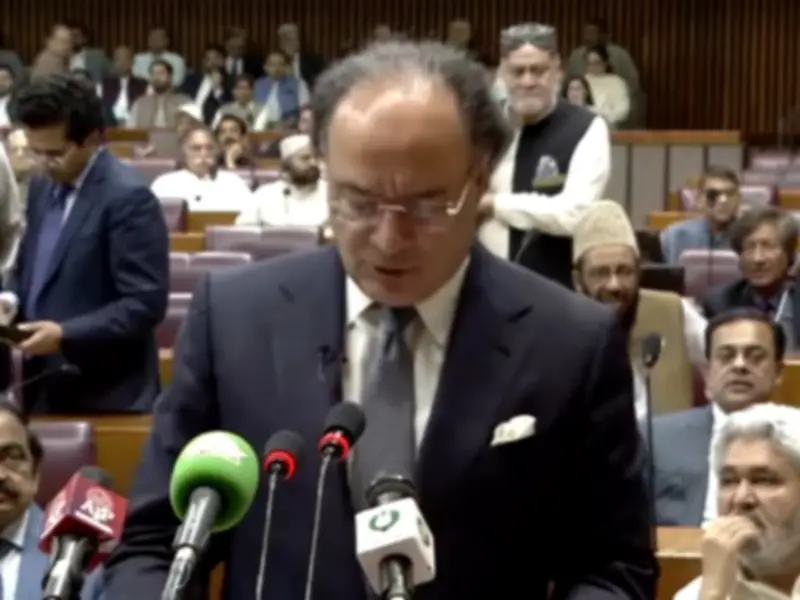
Finance Minister Muhammad Aurangzeb presented the federal budget for the fiscal year 2026-27 in the National Assembly on Friday, outlining a comprehensive plan to steer the economy towards sustainable growth while addressing inflationary pressures and fiscal consolidation.
Key Economic Targets
The budget sets a GDP growth target of 4.5% for the upcoming fiscal year, up from the estimated 3.2% growth in the current year. The inflation target has been set at 12%, significantly lower than the 18% recorded in the previous fiscal year. The government aims to reduce the fiscal deficit to 4.9% of GDP from 5.8% in the current year.
Revenue Measures
To achieve revenue targets, the government has proposed a tax collection target of Rs12.5 trillion for the Federal Board of Revenue (FBR), an increase of 22% from the current year's target. New tax measures include a 1% increase in the general sales tax (GST) rate, bringing it to 18%, and the introduction of a wealth tax on high-net-worth individuals. The tax-free threshold for salaried individuals has been raised from Rs600,000 to Rs800,000 per annum.

Expenditure Priorities
The total outlay of the budget is Rs18.9 trillion, with a significant focus on development and social sectors. The Public Sector Development Programme (PSDP) has been allocated Rs1.5 trillion, a 15% increase over the current year. Key allocations include:
- Rs1.2 trillion for education, including the launch of a new scholarship program for underprivileged students.
- Rs900 billion for healthcare, with a focus on upgrading district hospitals and expanding the Sehat Sahulat program.
- Rs600 billion for infrastructure projects, including the construction of new highways and water schemes.
Subsidies and Relief
The government has allocated Rs1.8 trillion for subsidies, including Rs1.2 trillion for electricity tariff relief and Rs400 billion for the Benazir Income Support Programme (BISP). The minimum wage has been increased from Rs32,000 to Rs36,000 per month.
Defense and Debt Servicing
Defense spending has been set at Rs2.1 trillion, a 10% increase from the previous year. Debt servicing remains the largest expenditure item at Rs7.5 trillion, accounting for nearly 40% of the total budget.
Reactions
Opposition parties criticized the budget, calling it inflationary and lacking in relief for the common man. However, the finance minister defended the budget, stating that it strikes a balance between growth and fiscal discipline. The budget is expected to be passed by the National Assembly in the coming weeks.