The 'Clean Break' Doctrine: A Violent Shift in Middle East Governance
The term 'Clean Break' transcends mere political jargon, symbolizing a radical and violent transformation in the governance of the Middle East. It marks a decisive moment when traditional diplomatic approaches were abandoned in favor of a forceful strategy aimed at reshaping the region's geopolitical landscape. Originating in 1996 as a policy document for Benjamin Netanyahu's first term as Prime Minister, this doctrine has had far-reaching consequences.
Origins and Core Principles of the Strategy
Titled A Clean Break: A New Strategy for Securing the Realm, the document was crafted by American neoconservative strategists. They advocated for Israel to move away from the 'land for peace' model and instead embrace 'peace through strength'. At its heart, the plan sought to reclaim strategic dominance by rejecting the peace processes of the 1990s, which were viewed as signs of weakness. Instead, it proposed a 'balance of power' approach, where Israel would not merely coexist with neighbors but actively work to alter their political environments to suit its security needs.
Born in the post-Cold War era, with the United States as the sole superpower, the doctrine assumed that Western influence should be proactively used to mold global affairs. In the Middle East, this translated into policies focused on destabilizing regimes perceived as threats. The plan explicitly called for the removal of Saddam Hussein in Iraq to weaken Syria and Iran and disrupt their connections to Lebanon. It also urged Israel to reduce reliance on U.S. financial aid to achieve total strategic independence.

Implementation and Regional Impacts
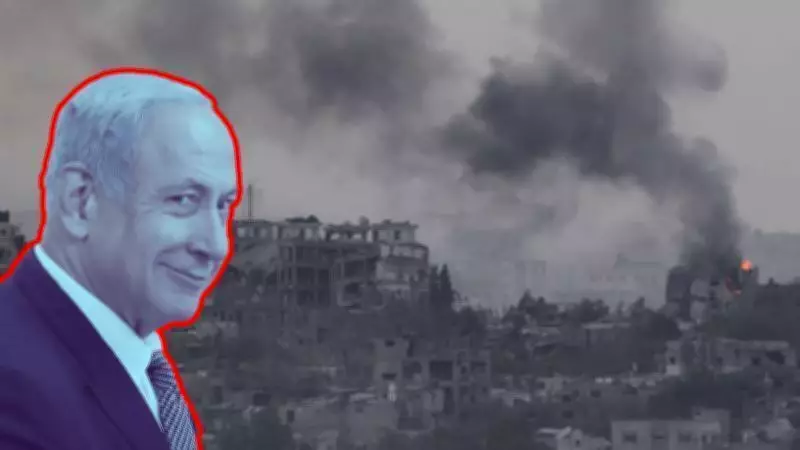
While Netanyahu did not immediately act on all aspects, this framework became a silent blueprint for his career. By 2026, its resurgence is evident in military operations that have escalated from local skirmishes to a campaign of regional 'decapitation', targeting the leadership of neighboring states. The impacts have been devastating, creating a state of 'managed chaos' across the region.
By prioritizing regime change and military strikes, the strategy fueled the collapse of nations, starting with Iraq in 2003 and leading to a fragmented landscape. The dream of a 'New Middle East' has resulted in eroded national borders and the rise of armed militias filling governance voids. For example, 'Operation Roaring Lion' and direct infrastructure attacks represent the final stages of this philosophy, killing hopes for a unified Palestinian state and replacing dialogue with overwhelming force.
Global Repercussions and Economic Instability
On a global scale, the Clean Break doctrine has shattered international law by championing pre-emptive strikes and ignoring global consensus. This has stripped organizations like the United Nations and the International Criminal Court of their authority, reducing global politics to a 'zero-sum' game where nations face escalation or humiliation. The instability ripples through the global economy, threatening energy markets and trade routes as war zones expand.
We have transitioned from a world governed by treaties to one of 'transactional alliances', where 'might is right' overrides human rights and sovereignty. This shift has not brought peace but intensified territorial struggles, fostering a 'fortress mentality' with higher walls and perpetual conflict.
Consequences for the Muslim World and Human Security
For the Muslim world, the consequences have been traumatic, with regime changes seen as assaults on dignity and sovereignty, fueling resentment and radicalization. The intentional destabilization of Syria and Iraq has displaced millions, creating the largest refugee crisis in modern history. Additionally, the plan has exploited the Sunni-Shia divide, turning geopolitical rivalries into religious wars that drain resources from progress.

Ultimately, the focus on military dominance has destroyed human security. In pursuit of a 'Clean Break', basic infrastructure like power plants, water systems, and hospitals has been decimated. The marginalization of the Palestinian cause has fostered global injustice. By 2026, the region is locked in a cycle of instability, where one nation's strategy has led to a fractured reality for millions.
The legacy of the Clean Break is a world that traded settlement hopes for force-based chaos management, with power grounded in physical control of resources like agricultural land and energy sources. As we move forward, the vision of 'securing the realm' continues to shape global dynamics through relentless force.