Escalating Global Tensions and Diplomatic Strains
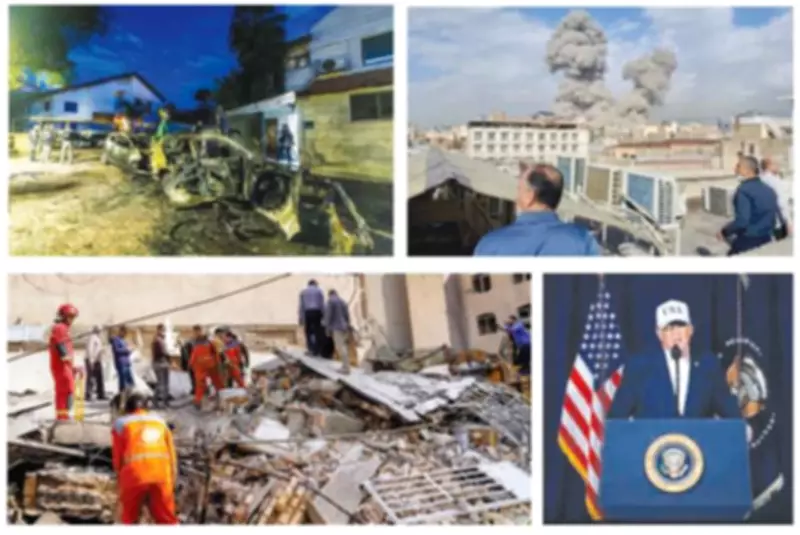
In recent developments, the international community is witnessing a significant rise in geopolitical tensions, with nations across the globe engaging in heightened diplomatic disputes and military posturing. This situation has led to widespread concerns about the potential for broader conflicts and the stability of global alliances.
Key Factors Driving the Current Crisis
Several critical elements are contributing to the escalating tensions. Economic pressures, such as trade wars and sanctions, are exacerbating rivalries between major powers. Additionally, territorial disputes and resource competition in strategic regions are fueling military buildups and confrontations.
Diplomatic channels are under strain as countries struggle to find common ground on issues like cybersecurity threats, climate change agreements, and arms control treaties. The lack of effective communication and trust-building measures is further complicating resolution efforts.

Regional Hotspots and International Responses
Specific regions have emerged as flashpoints in this global scenario. Conflicts in areas with historical animosities are intensifying, drawing in external actors and raising the risk of proxy wars. International organizations are calling for de-escalation and dialogue, but progress remains slow amid competing national interests.
Military exercises and defense spending increases are becoming more frequent, signaling a shift towards preparedness for potential conflicts. This militarization is impacting global security dynamics and economic stability, with ripple effects felt in markets and supply chains worldwide.
Implications for Global Stability and Future Outlook
The current tensions pose serious risks to international peace and cooperation. If unresolved, they could lead to prolonged instability, humanitarian crises, and economic downturns. Experts emphasize the need for renewed diplomatic initiatives and multilateral cooperation to address root causes and prevent escalation.
Looking ahead, the global community faces a critical juncture. Strengthening international institutions, fostering transparent dialogue, and promoting conflict resolution mechanisms are essential steps toward mitigating risks and building a more secure world order.