Iranian FM Condemns US for Sinking Navy Ship in International Waters
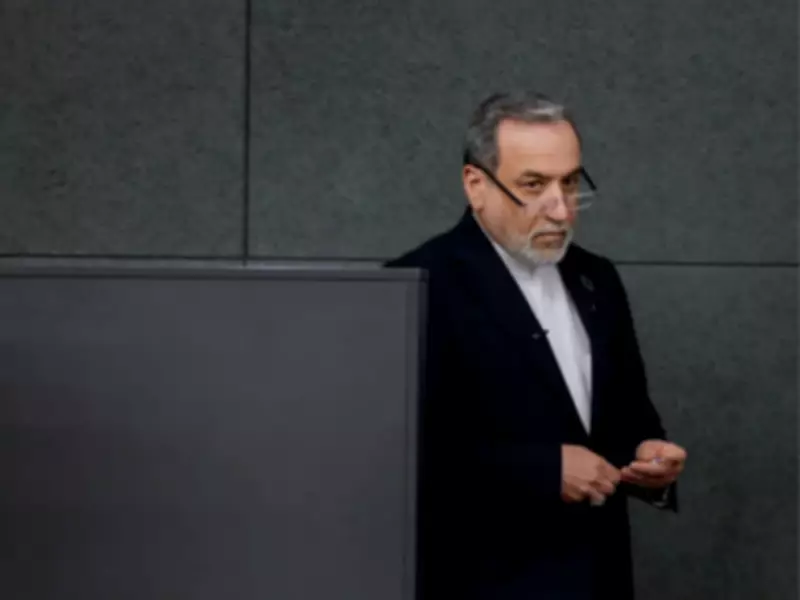
Iranian Foreign Minister Abas Araghchi has launched a scathing accusation against the United States, labeling the sinking of an Iranian navy ship off the coast of Sri Lanka as an atrocity. In a post on X, he warned that the US will "bitterly regret" the precedent set by this action. The incident occurred approximately 2,000 miles from Iran's shores, involving the frigate Dena, which was a guest of the Indian Navy and carried nearly 130 sailors.
Details of the Attack and Casualties
According to officials, the sinking by US forces resulted in the deaths of at least 87 sailors, with dozens more reported missing. The Sri Lankan navy recovered the bodies from waters near the southern city of Galle, while a search continues for 61 individuals who remain unaccounted for. Earlier, Foreign Minister Vijitha Herath confirmed that Sri Lankan forces rescued 32 sailors, many of whom were wounded, from the stricken Iranian frigate IRIS Dena.
The vessel issued a distress call at dawn but had completely sunk by the time a rescue ship arrived within an hour, leaving only an oil patch on the surface, as stated by Sri Lankan navy spokesman Buddhika Sampath. The rescued sailors are currently receiving medical treatment in Galle, where an AFP photographer observed the first batch of over two dozen bodies being transported to a hospital.

US Defense Secretary's Statement and Broader Conflict
US Defence Secretary Pete Hegseth addressed reporters in Washington, confirming that an American submarine torpedoed the Iranian warship in international waters. He described the attack as "quiet death" and noted it marks the first US sinking of an enemy ship by a torpedo since World War II. Hegseth emphasized, "Like in that war, we are fighting to win." This event unfolds against the backdrop of a spreading war in the Middle East, sparked by a joint US-Israel attack on Iran.
The sinking has intensified diplomatic tensions, with Araghchi's warning highlighting the potential for further escalation. As the conflict continues to expand, regional stability remains uncertain, with both sides preparing for prolonged hostilities.