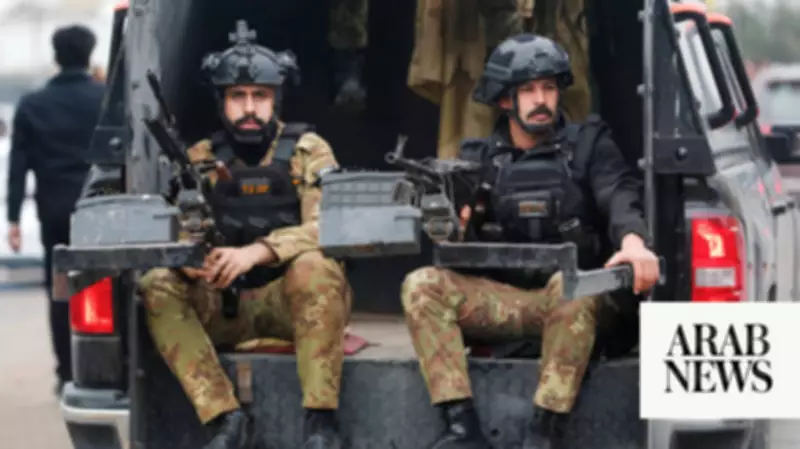
The kidnapping and swift release of award-winning US journalist Shelly Kittleson in Iraq has sparked concerns that Iran and its proxy militias may once again employ hostage-taking as a strategic tool in their ongoing confrontation with the United States. Kittleson, a seasoned Middle East correspondent with over a decade of experience in Iraq, was abducted outside her Baghdad hotel on March 31 by members of the Iran-backed Kataib Hezbollah militia. She was released on April 7 after a week of captivity, during which she was beaten, blindfolded, and forced to record a scripted confession falsely admitting to being a US agent.
Strategic motives behind the abduction and release
Kittleson's ordeal has raised two critical questions: Why was she taken, and why was she released so quickly? Analysts suggest that the incident may have been a calculated demonstration by Tehran, signaling that it could be preparing to use hostages as leverage in negotiations. History shows that Iranian-backed hostage-taking, whether by proxies like Kataib Hezbollah or by Tehran itself, is rarely without economic or diplomatic motives. The quick release of Kittleson, while fortunate for her, may serve as a warning of future abductions.
Historical precedent of hostage leverage
The use of hostages by Iran and its allies is well-documented. During the Lebanese civil war, from 1982 to 1987, over 100 foreign hostages were seized by groups linked to Iran, including British journalist John McCarthy, who was held for over five years. In the 1980s, the US government secretly shipped arms to Iran in exchange for the release of American hostages in Lebanon. More recently, in 2023, five US hostages were freed after the US agreed to unfreeze $6 billion in Iranian oil funds. In 2016, four Americans were released after the US paid Iran $400 million plus interest, ostensibly returning frozen funds from a pre-revolution arms deal.

Warning from Kataib Hezbollah
Upon Kittleson's release, a Kataib Hezbollah security official issued a warning, stating that the group's gesture of mercy would not be repeated as they are in a state of war against the "Zionist-American enemy." This statement underscores the potential for future hostage-taking. The US Secretary of State Marco Rubio announced Kittleson's release, thanking Iraqi officials and reaffirming the Trump administration's commitment to protecting American citizens worldwide.
Implications for US-Iran standoff
As tensions between Washington and Tehran continue, the Kittleson case raises the specter of further Western hostages being used as human leverage. Iran has a long history of pairing hostage releases with financial concessions, a strategy that dates back to the 1979 US Embassy hostage crisis, when 55 Americans were held for 444 days until the US returned about $12 billion in frozen assets. Analysts warn that by orchestrating the performative capture and release of Kittleson, Tehran has fired a warning shot, signaling that the next Westerner to fall into the hands of its proxies might not be so lucky.