Iran Conflict Escalates with Rising Death Toll and Widespread Devastation
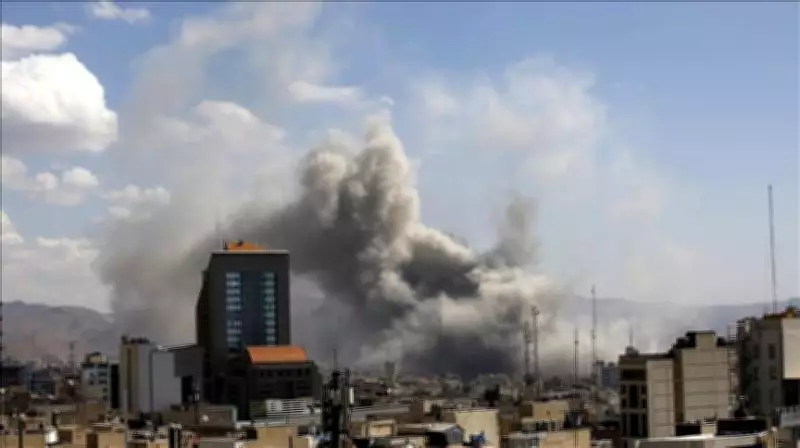
Iranian authorities have reported that the death toll from recent US and Israeli attacks has surged to 787, as the Middle East conflict intensifies at a rapid pace. The campaign has targeted over 500 locations across 153 cities, leading to extensive destruction documented by the Iranian Red Crescent. Among the tragic casualties, a strike on a primary school in Minab, southern Iran, resulted in the deaths of 165 schoolchildren and staff, sparking mass funerals and nationwide mourning.
Regional Military Operations and Humanitarian Fallout
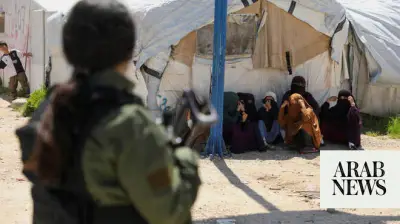
Israeli forces have escalated operations in Lebanon, issuing evacuation orders for 59 towns and villages in the south while advancing into 16 additional border positions. In response, Lebanese troops have withdrawn from several forward positions to avoid direct confrontation. Israeli Defence Minister Israel Katz has directed troops to consolidate control over strategic areas, further heightening tensions. The United Nations reports that at least 30,000 civilians have sought shelter amid the escalating violence, underscoring the growing humanitarian crisis.
Gulf Region Under Siege with Missile and Drone Attacks
The Gulf region is experiencing a wave of missile and drone attacks attributed to Iran, targeting both military and civilian infrastructure. Saudi Arabia confirmed that two drones struck the US Embassy in Riyadh, causing minor damage, while Kuwait condemned a "treacherous" attack on its embassy. Qatar reported intercepting two ballistic missiles offshore and noted that Iranian targets extended beyond military sites to include civilian and economic infrastructure, such as energy facilities. In a significant economic blow, QatarEnergy has suspended production of liquefied natural gas and associated downstream products, exacerbating global fuel shortages. This disruption has already led Indian companies to reduce natural gas supplies to industries, and European gas prices have surged by more than 30 percent.

International Responses and Diplomatic Efforts
Regional and global leaders are responding with a mix of condemnation and caution to the escalating conflict:
- China has called for a return to diplomatic negotiations over Iran’s nuclear program, asserting Tehran’s right to peaceful nuclear energy.
- Russia reiterated that it has found no evidence of Iranian nuclear weapons development and warned that ongoing attacks could spur a regional nuclear arms race.
- Pakistan’s defence minister, Khawaja Asif, described Zionism as a "threat to humanity" and emphasized that the conflict had been imposed on Iran despite its willingness to negotiate.
Diplomatic efforts continue amid the violence, with Ukrainian President Volodymyr Zelenskyy speaking with Emirati President Mohamed bin Zayed Al Nahyan about protecting lives during Iranian strikes. France and Greece have prepared repatriation plans for citizens stranded in the region, though airspace closures are complicating evacuation efforts.
US Role and Congressional Debates
In Washington, debates persist over the US involvement in the conflict. While President Trump has defended military action alongside Israel, analysts warn that prolonged engagement could strain resources and public support. Congress retains the authority to approve or curtail US operations, with Democrats calling for a resolution to evaluate the war effort. Analysts suggest that Iran’s attacks on civilian and energy infrastructure aim to demonstrate military capabilities and deliver a political message: any assault on the country would have global consequences, particularly impacting regional economies.
Nuclear Concerns and Ongoing Instability
The International Atomic Energy Agency has confirmed damage to entrance buildings at Iran’s Natanz uranium enrichment plant, although no radiological impact was reported. As the situation unfolds, civilians across Iran, Lebanon, and Gulf nations continue to face mounting humanitarian and economic pressures. The conflict shows no immediate signs of de-escalation, raising fears of wider regional instability and further global repercussions.