Iranian Officials Assert US Adopts More Realistic Nuclear Posture as Military Drills Commence in Hormuz Strait
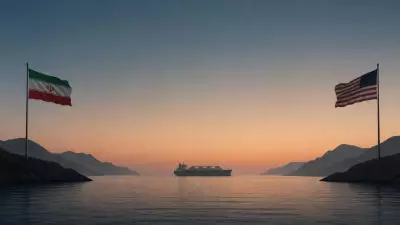
In a significant development, Iranian authorities have publicly stated that the United States is demonstrating a more realistic stance on nuclear issues, a claim made concurrently with the initiation of military exercises by the Islamic Revolutionary Guard Corps (IRGC) in the critical Hormuz Strait. This dual announcement underscores the complex geopolitical dynamics at play, blending diplomatic overtures with military posturing in a region of global strategic importance.
Diplomatic Shifts Amid Heightened Military Activity
According to recent statements from Tehran, US officials are reportedly adopting a more pragmatic and realistic approach in ongoing nuclear negotiations. This shift, as described by Iranian spokespersons, marks a potential turning point in the long-standing tensions over Iran's nuclear program, which has been a focal point of international concern and sanctions. The timing of this diplomatic assertion is particularly noteworthy, as it coincides with the IRGC launching extensive military drills in the Hormuz Strait, a vital maritime chokepoint for global oil shipments.
The military exercises, conducted by the Revolutionary Guards, are seen as a display of Iran's defensive capabilities and a signal of its readiness to protect its interests in the Persian Gulf. These drills involve naval and aerial maneuvers, emphasizing Iran's strategic control over the strait, through which approximately one-fifth of the world's oil passes. Analysts suggest that this combination of diplomatic messaging and military action reflects Iran's strategy to negotiate from a position of strength, leveraging its geographical advantages to influence international discourse.

Context of Nuclear Negotiations and Regional Stability
The nuclear issue has been a persistent source of contention between Iran and the West, particularly the United States, with previous agreements like the Joint Comprehensive Plan of Action (JCPOA) facing challenges and renegotiations. Iran's latest comments on US realism may indicate a thaw in relations or a tactical move to ease pressures ahead of further talks. However, skepticism remains among international observers, who caution that such statements could be part of a broader negotiation strategy rather than a substantive shift in policy.
Meanwhile, the military drills in the Hormuz Strait raise concerns about regional stability, especially given the strait's role in global energy security. The IRGC's activities are often viewed as a deterrent against perceived threats, including from the US and its allies in the Middle East. This juxtaposition of diplomatic optimism and military readiness highlights the delicate balance Iran seeks to maintain, asserting its sovereignty while engaging in complex international negotiations.
Implications for Global Diplomacy and SecurityThe developments have broader implications for global diplomacy, as they occur against a backdrop of evolving US foreign policy and ongoing efforts to revive the nuclear deal. If the US is indeed becoming more realistic, as Iran claims, it could pave the way for renewed dialogue and potential de-escalation. However, the simultaneous military drills serve as a reminder of the underlying tensions and the potential for miscalculation in a volatile region.
In summary, Iran's assertion of a more realistic US stance on nuclear issues, paired with the IRGC's drills in the Hormuz Strait, presents a multifaceted scenario. It underscores the interplay between diplomacy and military strategy in shaping international relations, with significant stakes for regional and global security. As events unfold, close monitoring of both diplomatic exchanges and military activities will be crucial to understanding the future trajectory of Iran-US relations and stability in the Persian Gulf.