Iran and US Engage in Indirect Talks in Geneva Amid Rising Tensions
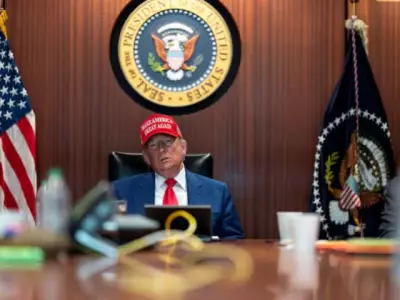
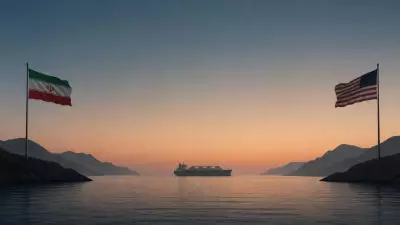
In a pivotal diplomatic move, Iran and the United States commenced indirect talks in Geneva, Switzerland, on Thursday, with Oman serving as the mediator. This high-stakes dialogue represents a final attempt to prevent a military confrontation, following the most significant American military buildup in the Middle East in decades. The discussions come in response to repeated threats from former US President Donald Trump, who recently issued Tehran a 15-day ultimatum to reach an agreement.
Security and Protests Surround the Talks
The US and Iranian delegations arrived at the Omani ambassador's residence under tight security measures. This heightened security was necessitated by a protest from Iranian exiles during previous talks, where objects were thrown at the Iranian motorcade. Oman's Foreign Minister Badr Albusaidi confirmed the start of the discussions, noting that both sides demonstrated an unprecedented openness to innovative ideas and solutions.
Diverging Agendas and Nuclear Claims
Iran has insisted that the talks focus exclusively on its nuclear program, with President Masoud Pezeshkian reiterating that the Islamic republic is not seeking nuclear weapons, a stance supported by Supreme Leader Ayatollah Ali Khamenei. In contrast, the United States aims to address Tehran's missile program and its regional support for various groups. UN nuclear chief Rafael Grossi is expected to participate in the Geneva discussions, as stated by Iran's foreign ministry spokesman.

US Military Buildup and Accusations
As part of the escalating tensions, the USS Gerald R Ford, the world's largest aircraft carrier, departed from a naval base in Crete, highlighting the dramatic US military presence. In his State of the Union address, Trump accused Iran of pursuing sinister nuclear ambitions, claims that Tehran has dismissed as big lies. The Iranian foreign ministry maintains that its missile range is limited to 2,000 kilometers, though US estimates suggest it could extend to 3,000 kilometers.
Diplomatic Warnings and Opportunities
US Secretary of State Marco Rubio emphasized that Iran must negotiate on its missile program, labeling Tehran's refusal as a significant obstacle. However, he affirmed the US commitment to diplomatic solutions. Vice President JD Vance warned Iran to take Trump's threats seriously, asserting the president's right to use military action if necessary. Leading the Iranian delegation, Foreign Minister Abbas Araghchi described the talks as a historic opportunity, expressing optimism that a deal is within reach.
Historical Context and Ongoing Challenges
The current talks follow previous rounds in Oman and Geneva, which collapsed after Israel launched strikes on Iran last June, sparking a brief war. Additionally, Iran has faced massive protests, including recent demonstrations at universities, adding complexity to the diplomatic landscape. The US delegation includes envoy Steve Witkoff and Jared Kushner, underscoring the high-level nature of these negotiations.