Iran War Revives Uncomfortable Truth: Nuclear Deterrence's Role in Global Conflicts
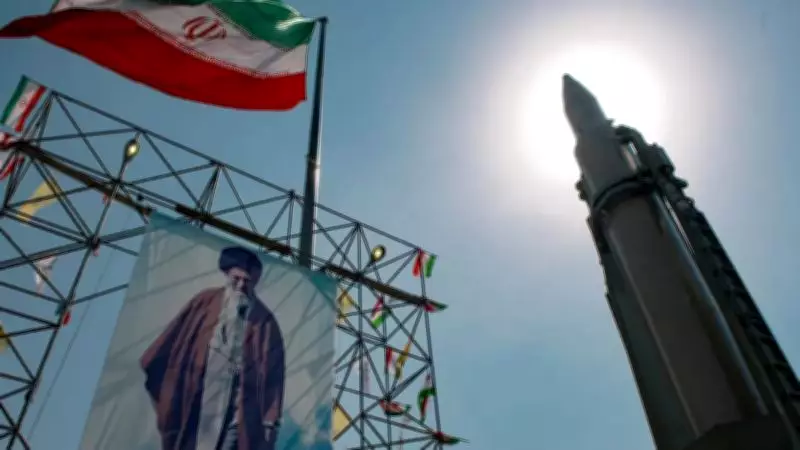
The recent escalation of hostilities involving Iran has brought to the forefront a long-standing and often uncomfortable truth in international relations: the pivotal role of nuclear deterrence in preventing large-scale military confrontations. This conflict, which has seen significant geopolitical tensions, has reignited global debates on the effectiveness and morality of nuclear arsenals as tools for maintaining strategic stability.
The Strategic Implications of Nuclear Deterrence
Nuclear deterrence, a concept rooted in the Cold War era, posits that the possession of nuclear weapons by nations can dissuade adversaries from launching attacks due to the threat of catastrophic retaliation. In the context of the Iran war, this principle has been starkly highlighted, as nuclear-capable states have exercised restraint, avoiding direct escalation that could lead to broader regional or global warfare. This dynamic underscores how nuclear weapons, despite their destructive potential, can act as a buffer against conventional conflicts spiraling out of control.
However, this reality is fraught with ethical dilemmas. Critics argue that relying on nuclear deterrence perpetuates a dangerous arms race and normalizes the threat of mass destruction. The Iran war has exposed these tensions, with some analysts pointing out that while deterrence may prevent immediate large-scale wars, it also creates a precarious balance where miscalculations or accidents could have devastating consequences. This uncomfortable truth forces policymakers to grapple with the trade-offs between security and risk in a nuclear-armed world.

Global Reactions and Policy Debates
The revival of discussions on nuclear deterrence amid the Iran war has prompted varied responses from the international community. Some nations have reaffirmed their commitment to nuclear non-proliferation treaties, advocating for disarmament as a means to reduce global tensions. Others, particularly those with nuclear capabilities, have emphasized the necessity of deterrence in safeguarding national sovereignty and preventing aggression from hostile actors.
In regional terms, the conflict has influenced neighboring countries' security postures, with some considering bolstering their own defensive measures, including potential nuclear ambitions. This has led to calls for enhanced diplomatic efforts and confidence-building measures to mitigate the risks associated with nuclear proliferation. The Iran war serves as a case study in how regional conflicts can amplify global anxieties about nuclear weapons, pushing the issue back into the spotlight of international discourse.
Future Outlook and Ethical Considerations
Looking ahead, the lessons from the Iran war suggest that nuclear deterrence will remain a contentious yet integral aspect of global security architecture. As conflicts evolve with technological advancements, such as cyber warfare and artificial intelligence, the role of nuclear weapons may shift, but their deterrent effect is likely to persist. This raises important questions about how to manage nuclear arsenals responsibly while pursuing peace and stability.
Ethically, the uncomfortable truth revived by the Iran war is that nuclear deterrence, while potentially preventing wars, also imposes a moral burden on humanity. It challenges societies to reconcile the pursuit of security with the imperative to avoid catastrophic harm. Moving forward, international cooperation and dialogue will be crucial in addressing these complexities, ensuring that nuclear deterrence does not become a catalyst for further conflict but rather a component of a broader strategy for global peace.