DG ISPR Rejects Afghan Taliban's Allegations on Strike Incident
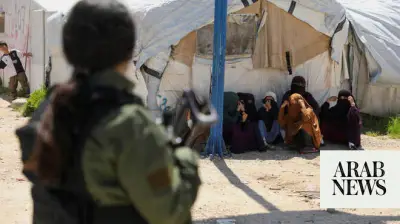
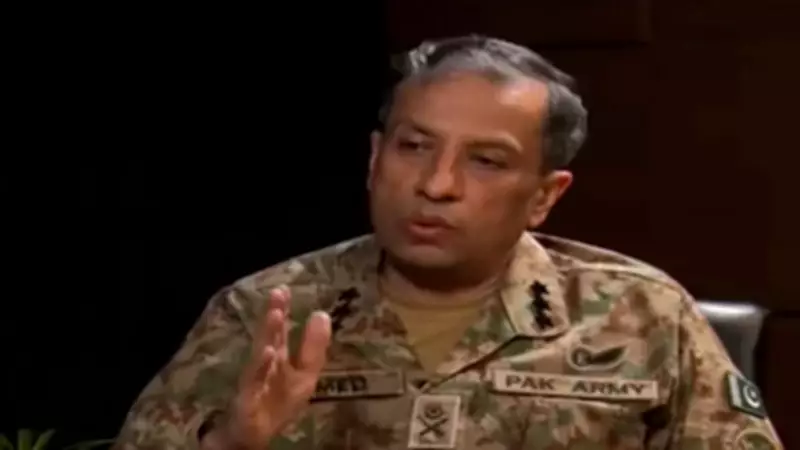
The Director General of Inter-Services Public Relations (DG ISPR) has firmly dismissed claims made by the Afghan Taliban regarding a recent military strike. The Afghan Taliban had alleged that the strike targeted a rehabilitation centre in border regions, but the DG ISPR categorically denied this, stating that the operation was aimed at a terrorist hideout instead.
Military Clarifies Target of Operation
In a detailed statement, the DG ISPR explained that the strike was part of ongoing counter-terrorism efforts in the volatile border areas between Pakistan and Afghanistan. The military spokesperson emphasized that the target was a known terrorist facility used for planning and executing attacks against Pakistan. The DG ISPR asserted that the operation was conducted with precision to avoid civilian casualties and that reports of it hitting a rehabilitation centre are baseless and misleading.
Background of Border Tensions
This incident occurs amid heightened tensions along the Pakistan-Afghanistan border, where cross-border militant activities have been a persistent issue. Pakistan has repeatedly called on the Afghan Taliban-led government to prevent terrorists from using Afghan soil to launch attacks into Pakistan. The DG ISPR highlighted that such strikes are necessary for national security and are carried out in accordance with international laws and protocols.

Key Points from the DG ISPR Statement:
- The strike targeted a terrorist hideout, not a rehabilitation centre.
- The operation was based on credible intelligence about imminent threats.
- Pakistan remains committed to counter-terrorism efforts in the region.
- The military denies any collateral damage to civilian infrastructure.
Afghan Taliban's Response and Regional Implications
The Afghan Taliban had earlier condemned the strike, claiming it resulted in casualties at a rehabilitation facility. However, the DG ISPR's rebuttal underscores the ongoing diplomatic and military challenges in the region. Experts note that such incidents could strain relations between Pakistan and the Afghan Taliban, complicating efforts for regional stability and cooperation against terrorism.
This development highlights the critical need for transparent communication and verification of facts in conflict zones to prevent misinformation and escalation.