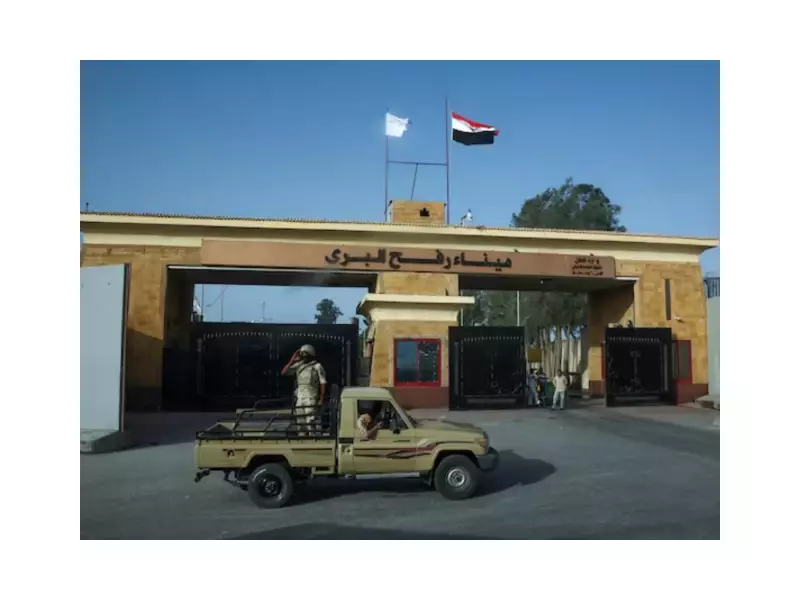
In a move that could ease tensions in the region, Israel has announced its intention to reopen the Rafah border crossing with the Gaza Strip. This decision comes in the aftermath of a targeted military operation conducted to recover the body of a hostage, highlighting the complex interplay between security concerns and humanitarian access in the area.
Background and Context of the Rafah Crossing
The Rafah crossing serves as a critical gateway between Gaza and Egypt, often functioning as a lifeline for the movement of people and goods. Its closure has historically exacerbated humanitarian crises in Gaza, making its reopening a matter of international interest and regional stability.
Details of the Hostage Recovery Operation
Prior to the announcement, Israeli forces executed a precise operation aimed at retrieving the remains of a hostage. This action underscores Israel's ongoing efforts to address security threats while navigating the delicate balance of cross-border relations. The operation's success has paved the way for diplomatic gestures, including the planned reopening of the crossing.

Implications for Regional Dynamics
The reopening of the Rafah crossing is expected to have far-reaching effects on the geopolitical landscape. It may facilitate improved humanitarian aid flow into Gaza, potentially easing the plight of its residents. However, it also raises questions about long-term security protocols and the future of Israeli-Gaza interactions.
As the situation evolves, stakeholders will closely monitor the implementation of this decision and its impact on broader Middle Eastern affairs.