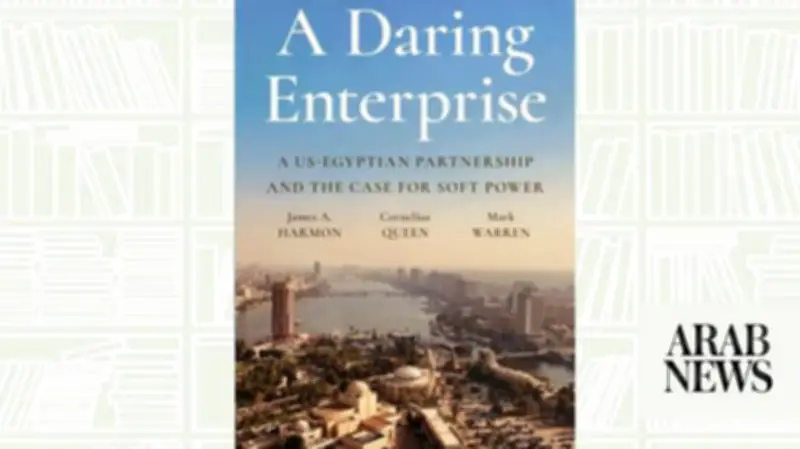
A new book examining the success of American soft power in Egypt argues that this approach could have prevented much of the current regional conflict. In an interview with Arab News, two of the three authors of "A Daring Enterprise: A US-Egyptian Partnership and the Case for Soft Power" described Egypt as one of the most successful US foreign aid programs in decades.
The Egyptian-American Enterprise Fund
The book details how the US created the Egyptian-American Enterprise Fund and invested $300 million into Egypt, helping restore economic stability after the Arab Spring. Cornelius Queen, senior vice president at the fund, noted that current US engagement in the Middle East is dominated by military hard power, leading to conflict. "Our model of non-military soft power offers one rooted in investment," he said.
Investment vs. Military Intervention
Queen emphasized that investment is more effective than military intervention for long-term stability. "Strategic investment can create durable partnerships and achieve long-term security objectives," he explained. He pointed to the ongoing tensions in the Strait of Hormuz as a consequence of over-reliance on hard power.

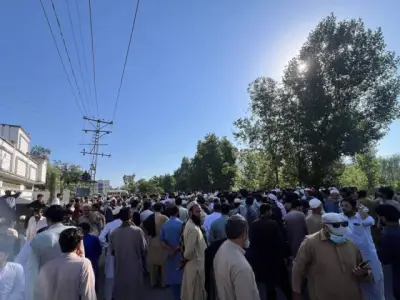
The 18 days of protests in Tahrir Square ended President Hosni Mubarak's 30-year rule but plunged Egypt into economic turmoil. Tourism and international investment froze, violence and extremism rose, and the currency lost over 80% of its value.
A Win-Win Model
Queen argued that smart foreign investment is key to America's future prosperity, especially as foreign assistance has been scaled back. "We demonstrated that you can invest in other countries and create returns for taxpayers by supporting locally led private-sector development," he said. This model creates jobs, attracts foreign capital, and is a win-win for both the US and recipient countries.
Co-author James Harmon, former chairman of the Export-Import Bank, said the Egyptian-American Enterprise Fund could be replicated in other Middle Eastern nations facing internal turmoil. "Using enterprise funds can help build relationships in many parts of the world," he told Arab News.
Economic Growth and Stability
Queen stressed that supporting local businesses with access to capital is crucial for economic growth and reducing political unrest. "If you can give someone a job, it lessens the likelihood of extremism," he said. "Having a job and being able to put food on the table are critical for any country's security."
The authors felt compelled to share the fund's story as global turmoil spreads. The enterprise fund concept was originally used to facilitate democratic transitions in former Soviet countries after the fall of the Berlin Wall. During the Arab Spring, the Obama administration reintroduced the concept for Tunisia and Egypt, with a similar fund authorized for Jordan that never launched.