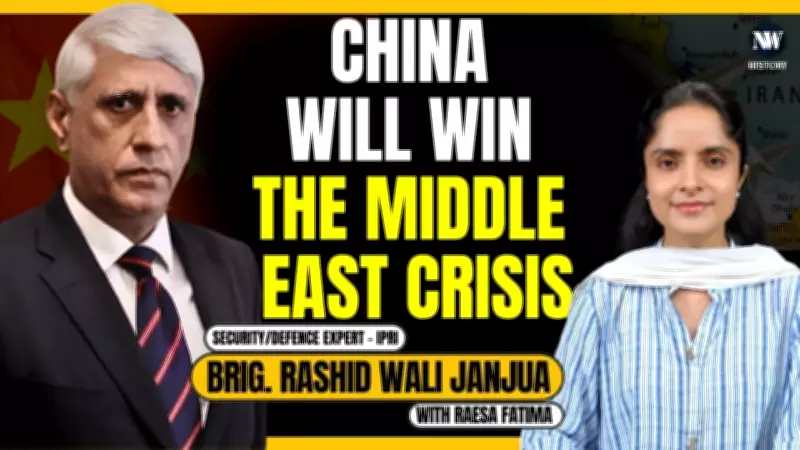
As tensions escalate across the Middle East, a new regional order may be emerging. Security analyst Brigadier Rashid Wali Janjua provides an in-depth analysis of the shifting alliances reshaping the region after the recent Iran-Israel conflict. The discussion covers the future of the Abraham Accords, growing UAE-Israel military cooperation, and the deepening geopolitical divide across the Gulf.
Key Dynamics Reshaping the Middle East
The Iran-Israel conflict has accelerated realignments, with traditional adversaries and allies reassessing their positions. The Abraham Accords, which normalized relations between Israel and several Arab states, face new pressures but also opportunities for expansion. The UAE and Israel have deepened military and intelligence cooperation, signaling a strategic shift in the Gulf.
Pakistan's Neutrality Under Scrutiny
Pakistan walks a tightrope between its historical ties with Saudi Arabia and its relationship with Iran. Brigadier Janjua questions whether Pakistan can maintain neutrality as the divide widens. Domestic and regional pressures may force Islamabad to choose sides, impacting its foreign policy and economic interests.

India's Expanding Influence in the Gulf
India has strengthened its diplomatic and economic footprint in the Gulf, leveraging its large diaspora and energy needs. This expansion challenges Pakistan's traditional influence and creates new dynamics in South Asia-Middle East relations.
China as the Biggest Winner
China may emerge as the primary beneficiary of the crisis. Its Belt and Road Initiative and energy deals with Iran and Gulf states position Beijing as a key player, while the US focus on the Middle East wanes. China's non-interventionist approach appeals to regional powers seeking alternatives to US-led alliances.
Is the United States Losing Its Grip?
The US role in the Middle East is diminishing as it pivots to Asia. This vacuum allows regional powers and external actors like China and Russia to fill the gap. The Abraham Accords, once a US diplomatic triumph, now face uncertainty without strong American backing.
Brigadier Janjua's analysis underscores a volatile region where old certainties are crumbling. From Tehran to Tel Aviv, a new power struggle is unfolding, with implications for global security and economics.