Pakistan Informs Iran of Strategic Defense Pact with Saudi Arabia
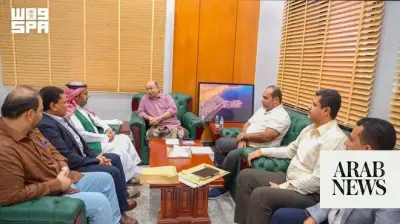
In a significant diplomatic move, Pakistan has formally notified Iran about its Strategic Mutual Defence Agreement with Saudi Arabia, aiming to prevent regional escalation following recent US-Israel air strikes on Iran. Deputy Prime Minister and Foreign Minister Ishaq Dar revealed this during a Senate session, highlighting Islamabad's proactive role in mitigating tensions.
Diplomatic Efforts to Curb Hostilities
Dar emphasized that Pakistan's communication with Iran was crucial in ensuring minimal retaliation against Saudi Arabia and Oman after the assassination of Iranian Supreme Leader Ayatollah Ali Khamenei. "They asked for some assurances," Dar stated, referring to Iran's request that Saudi soil not be used against it. Pakistan provided these assurances, which he credited for the subdued response from Tehran.
The foreign minister condemned the attack on Iran as a violation of international law and expressed regret over the US action despite ongoing positive negotiations facilitated by Oman. He noted that Pakistan has consistently advocated for peaceful resolutions through backdoor channels, with Prime Minister Shehbaz Sharif and Army Chief Asim Munir playing active roles in defense-level engagements.

Evacuation and Safety Measures for Pakistanis
With approximately 35,000 Pakistanis currently in Iran, Dar reported that 792 citizens have been evacuated via land routes, as airspace remains closed. The repatriation process is ongoing, with Azerbaijan assisting by offering on-arrival visas. He assured that the government is managing the situation transparently and urged political leaders to advise calm among the public to avoid violent protests.
Political Reactions and Warnings
PTI parliamentary leader Syed Ali Zafar criticized the US-Israel attack as illegal, warning that it sets a "horrific precedent" with far-reaching consequences. He argued that normalizing such actions could justify assassinations of political figures globally and called for diplomatic efforts to stop what he termed an "illegal war."
PPP leader Sherry Rehman echoed calls for dialogue, stressing that wars are never a solution and that foreign policy must serve collective interests impartially. She cautioned against alarmist narratives and urged unity to protect national interests.
Broader Regional Implications
Dar highlighted Pakistan's ongoing shuttle diplomacy with Iran and Saudi Arabia, noting that sustained communications have limited conflict spillover. He reminded that the defense pact with Saudi Arabia, signed last year, should be considered by Iran, as it has influenced the minimal impact on Saudi Arabia and Oman.
Additionally, Dar provided updates on Pakistani citizens in other Gulf countries:
- Approximately 350,000 in Qatar, receiving government assistance.
- 40,000 in Iraq, with 500 seeking return from Kurdistan.
- 2.5 million safely in Saudi Arabia and 102,000 in Kuwait with no security concerns.
In conclusion, Dar reaffirmed Pakistan's commitment to de-escalation and regional stability, urging domestic unity and responsible leadership to navigate the crisis effectively.