ISLAMABAD: Pakistan is actively engaging with all stakeholders in an effort to secure a breakthrough agreement aimed at ending the months-long Iran-US conflict. Diplomatic sources indicate that intensive consultations are underway and a possible deal could emerge in the coming days.
The latest momentum follows remarks by US President Donald Trump, who said he expects a "very, very good deal" with Iran within the next two to three days. This statement immediately fueled speculation that negotiations may be entering their final phase. Financial markets reacted positively, with global oil prices falling on expectations of a potential de-escalation in the Middle East.
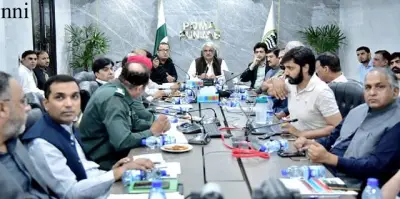
According to Pakistani sources, Islamabad has been maintaining contacts with Washington, Tehran and other regional actors in a bid to bridge remaining differences and prevent a return to full-scale conflict. Pakistan has emerged as a key intermediary throughout the crisis, leveraging its relations with both the United States and Iran to facilitate dialogue and keep diplomatic channels open.

Pakistan's role as mediator has expanded significantly since the outbreak of the conflict. Multiple rounds of indirect and direct negotiations have been facilitated through Pakistani diplomatic efforts, while Islamabad has consistently advocated a negotiated settlement, regional stability and the reopening of critical trade routes in the Gulf.
The renewed diplomatic activity comes despite continued tensions in the region. President Trump on Tuesday reiterated his optimism that an agreement restricting Iran's nuclear activities and ending hostilities could be finalized soon, although several contentious issues remain unresolved, including sanctions relief, frozen Iranian assets and broader security arrangements.
Reports over recent weeks have suggested that draft proposals exchanged through Pakistan have narrowed differences between the two sides. Tehran has reportedly conveyed its responses to American proposals through Islamabad, while negotiations have focused on sanctions relief, maritime security in the Strait of Hormuz and guarantees against future escalation.
However, not all observers are convinced that a final agreement is imminent. Pakistani government sources cautioned that, despite significant progress, concluding a comprehensive settlement within just two or three days remains difficult because of the complexity of outstanding issues and ongoing regional security concerns.
Analysts note that even if a formal accord is reached this week, it is likely to begin as an interim arrangement designed to preserve the ceasefire, ease economic pressures and create space for broader negotiations. Major disputes surrounding Iran's nuclear programme, regional influence and long-term security guarantees could require further talks.
Nevertheless, diplomatic optimism is growing. With Pakistan intensifying its mediation efforts and Washington and Tehran continuing to exchange proposals, regional capitals are closely watching what could become the most significant diplomatic breakthrough in the Middle East since the conflict erupted earlier this year.