PCA Orders India to Provide Hydropower Operational Records in Indus Waters Treaty Dispute
In a significant development in the long-standing water dispute between Pakistan and India, the Permanent Court of Arbitration (PCA) in The Hague has issued a directive requiring India to submit detailed operational records of its hydropower projects on rivers allocated to Pakistan under the Indus Waters Treaty (IWT).
Key Deadlines and Requirements Set by the Tribunal
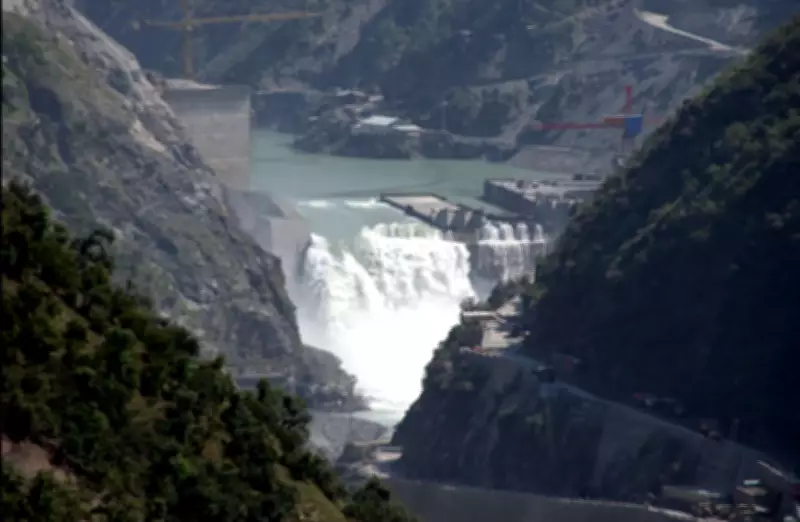
According to the tribunal's order, India has been instructed to provide operational logbooks for the Baglihar and Kishanganga hydropower projects by February 9. In case of non-compliance, New Delhi will be required to formally explain its reasons to the court. The tribunal also directed Pakistan to specify by February 2 the exact documents it seeks from India, ensuring clarity in the evidence-gathering process.
Upcoming Hearings and Pakistan's Representation
The second phase of hearings on the merits of the case is scheduled for February 2 and 3 at The Hague. The court has made it clear that proceedings will continue irrespective of India's participation, underscoring the tribunal's commitment to moving forward with the arbitration. A high-level delegation led by the Attorney General will represent Pakistan during these critical hearings.

Pakistan's Position and Treaty Violations
Islamabad has long maintained that India is misusing the treaty's provisions by unlawfully storing water in its upstream reservoirs and manipulating flows. Pakistan argues that the operational records are critical to substantiate its claims of water withholding. The tribunal observed that only the court has the authority to permit any additional water storage under the treaty framework, and that neutral experts cannot authorise interim measures. It described the operational data from dams in Indian-held Kashmir as essential evidence for resolving the dispute.
Procedural Gains and Jurisdiction Clarifications
Officials in Islamabad view the order as a key procedural gain that strengthens Pakistan's position in the arbitration process under the 1960 treaty. Separately, the Foreign Office reiterated that Pakistan would continue to participate fully in both arbitration and Neutral Expert proceedings under the IWT, despite India's decision to halt its involvement. In a statement, the FO said that the court had issued clarifications on Pakistan's request regarding treaty interpretation, affirming that its jurisdiction covers all components of run-of-river hydroelectric projects that India may construct on the western rivers. The court also emphasised that any design enabling artificial raising of water levels above the specified Full Pondage Level would violate the treaty.
Parallel Proceedings and Good Faith Engagement
The FO noted that the arbitration will proceed in phases while taking into account parallel Neutral Expert proceedings initiated at India's request, which are scheduled to enter their next stage in Vienna. Pakistan maintained that it would engage in the process in good faith, adding that the Neutral Expert had ruled that India's absence would not prevent the proceedings from moving forward. This development highlights the ongoing efforts to address water-sharing issues under the Indus Waters Treaty, with Pakistan actively pursuing its rights through international legal channels.