In a significant escalation of hostilities, Russian forces unleashed a powerful missile barrage on the Ukrainian capital of Kyiv. This aggressive move came swiftly after Moscow's outright rejection of a proposed international peacekeeping plan aimed at de-escalating the ongoing war.
Massive Attack on the Capital
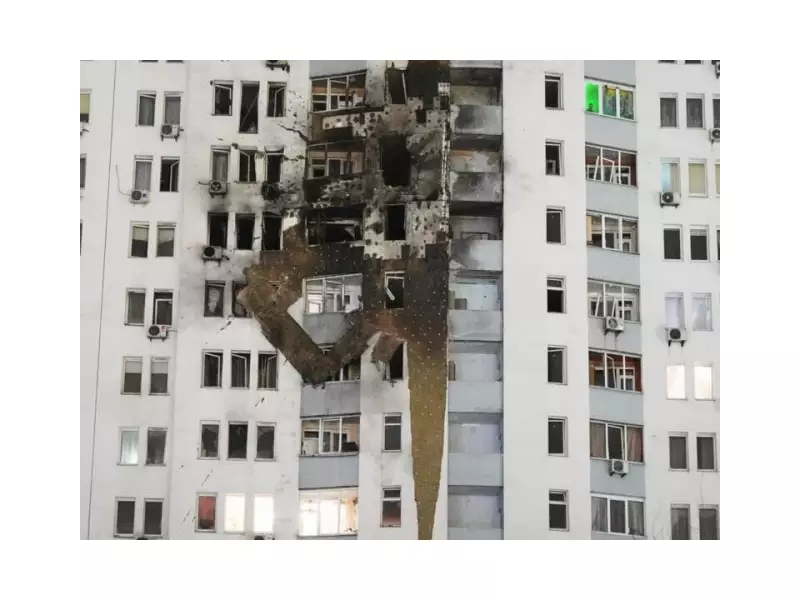
The assault, which took place in the early hours, involved a combination of cruise and ballistic missiles. Ukrainian air defense systems were activated across the city, intercepting a number of the incoming projectiles. However, several missiles penetrated the defenses, striking critical energy infrastructure and other targets within Kyiv.
The attack resulted in significant damage to power facilities, plunging parts of the city into darkness and disrupting essential services. Emergency crews worked tirelessly to extinguish fires and rescue civilians from damaged buildings. Initial reports from Ukrainian officials confirmed casualties, including both injuries and fatalities, though the exact numbers were being verified.

Rejection of Diplomatic Efforts
This military action followed a firm diplomatic rebuke from the Kremlin. Russian officials dismissed a peacekeeping proposal that had been circulated among international mediators. The plan reportedly involved the deployment of a neutral international force to monitor and secure a potential ceasefire along the current front lines.
Moscow labeled the initiative as "unworkable" and "detached from the realities on the ground." A Russian foreign ministry spokesperson stated that any resolution must acknowledge what Russia claims as its territorial gains since the invasion began. This rejection underscores the deep chasm between the warring parties and the immense challenges facing diplomatic negotiations.
Consequences and Regional Implications
The twin events of the diplomatic dismissal and the subsequent kinetic attack send a clear message about the current state of the conflict. Analysts suggest that Russia is aiming to weaken Ukrainian morale and critical infrastructure ahead of anticipated Ukrainian counter-offensives, while simultaneously demonstrating a lack of interest in current peace frameworks.
The bombardment of a major capital city like Kyiv also raises serious concerns about the safety of civilian populations far from the immediate front lines. It highlights the continued reach of Russian missile arsenals and the persistent threat to urban centers across Ukraine.
For the international community, particularly nations like Pakistan that follow global security developments closely, this escalation is a sobering reminder of the conflict's volatility. It complicates efforts by other nations to play a mediating role and suggests that a prolonged period of intense warfare may continue, with global implications for energy security, food prices, and geopolitical stability.
The situation remains fluid, with Ukrainian President Volodymyr Zelenskiy expected to address the nation and call for increased military support from Western allies in response to the night's events.