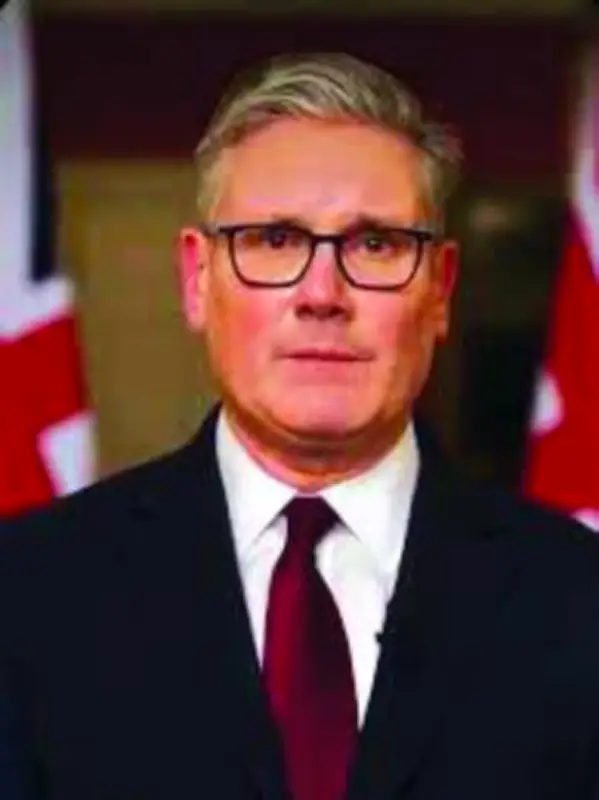
LONDON - Sir Keir Starmer has told the BBC he has a “duty” to remain as prime minister, defending his decisions on defence spending after two of his defence ministers resigned over funding issues.
Starmer's Response to Resignations
Speaking after Defence Secretary John Healey and Armed Forces Minister Al Carns quit, Starmer insisted he had made “hard-edged” choices, including budget cuts across departments to fund defence. In a veiled warning to potential leadership challengers, he said: “Whoever is prime minister is going to face the same prevailing winds as I am facing, none of that is going to change.”
Asked if he wanted to lead Labour into the next election, he affirmed his intention but acknowledged: “I need to turn things around.” He said he did not want to “plunge” the country into “chaos” with a leadership election but added: “If it does happen, I will fight.”

Duty Over Personal Ambition
“Let me be clear that this is not about personal vanity, it is not about stubbornness, it is about a very deep sense of duty,” Starmer stated. “I was elected to serve this country notwithstanding difficult circumstances - that is what I am doing.” He highlighted his government’s achievements: stabilizing the economy, increasing defence spending, and investing in public services.
Healey's Criticism
In his resignation letter, Healey accused the PM of being “unable” to commit necessary spending for national security. Starmer thanked Healey but rejected the criticism, calling defence his “number one priority” and promising continued focus in future spending reviews. He cited cuts to overseas aid as evidence of his willingness to make tough choices for defence.
When asked about reducing welfare spending to boost defence, Starmer said government reforms to help people into work would “free up resources.”
Defence Investment Plan Delays
Healey’s resignation stemmed from an internal row over the Defence Investment Plan (DIP), which outlines funding for military equipment and infrastructure over the next decade. Originally due last autumn, the plan has been repeatedly delayed. The government has committed to increasing defence spending to 3.5% of GDP by 2035, but Healey argued the current plan only reaches 2.68% by 2030, urging 3% by that date.
Starmer said the government had already invested “considerable” money in defence, with the DIP adding “further money on top of that.” He reiterated his commitment to reaching 3% in the next Parliament and stated: “Defence will be the number one priority at every spending review, including the next spending review.”
Leadership Challenges Loom
Despite the resignations, Starmer insisted he would publish the plan before a Nato summit in early July. He has faced leadership questions for over a year, with pressure mounting after poor local election results in May and Healey’s departure. A leadership contest has not been triggered, but Greater Manchester Mayor Andy Burnham is expected to challenge if he wins the Makerfield by-election next week.
Starmer did not name Burnham or other potential rivals but said: “For every answer that is being suggested, the question has to be when you’re in government - which is about trade-offs - what is it then that you wouldn’t do? Because easy answers are by their nature easy.”
Reactions from Politicians
Former Health Secretary Wes Streeting, who has said he would enter a leadership race, posted on X: “The failure to make the right choices on the defence investment plan is just a symptom of the indecision at the heart of this government. Case in point: The prime minister just said defence is ‘a number one priority’. Growth was meant to the number one priority, is it still? There’s not enough money for defence, but today the government announced £4.5 BILLION for walking and cycling. Make choices. Decide. Lead.”

Conservative leader Kemi Badenoch said the PM wasn’t funding defence “properly” and should “cut welfare” to do so. Liberal Democrat defence spokesperson James MacCleary criticised both parties, saying the Conservatives had “recklessly and shamelessly eroded our defence capabilities but the Labour government is now refusing to give our Armed Forces the genuine backing they need.” His party has proposed war bonds to raise £20bn.