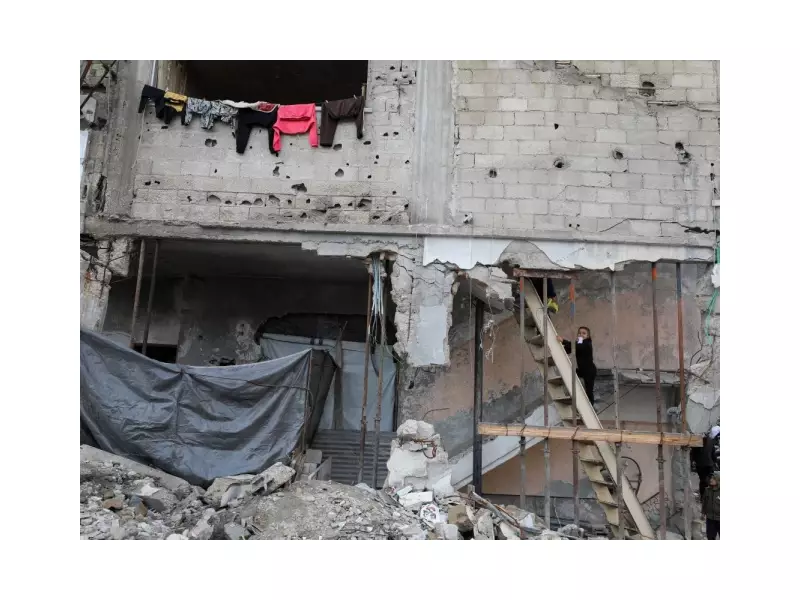
Catastrophic weather conditions are compounding an already dire human tragedy in the Gaza Strip, where rescue teams are struggling to recover bodies from beneath the rubble of countless destroyed buildings. Torrential rains and fierce winds have lashed the coastal enclave, further destabilizing damaged structures and turning streets into quagmires, severely hampering critical recovery efforts.
Storms Paralyze Recovery Amidst Widespread Destruction
The Palestinian territory, already reeling from months of intense Israeli bombardment, is now facing a brutal winter. Heavy storms have flooded makeshift camps where over 1.7 million displaced Palestinians are sheltering, destroying tents and belongings. The adverse weather has brought rescue operations to a near standstill, as civil defence crews lack the necessary equipment to operate safely in the conditions or to dig through mountains of concrete and twisted metal.
Officials from Gaza's Civil Defence agency have stated that many bodies remain trapped under collapsed buildings, but their teams are powerless to retrieve them. The combination of ongoing insecurity, a lack of heavy machinery, and now the severe weather has created an impossible situation. "We do not have the capabilities and equipment to extract them," a spokesperson lamented, highlighting the sheer scale of destruction that has left thousands missing and presumed dead.

A Deepening Humanitarian Catastrophe
The human cost of the conflict continues to climb at a staggering rate. According to the latest figures from the Gaza Health Ministry, the death toll has surpassed 24,000 Palestinians, with more than 60,000 injured. The majority of the casualties are reported to be women and children. These numbers are expected to rise significantly as more bodies are recovered from the ruins.
The situation for survivors is increasingly desperate. The storm has exacerbated a severe public health crisis, with contaminated floodwaters mixing with sewage and creating risks of disease outbreaks. The UN has repeatedly warned of famine and the collapse of the health system, as aid deliveries remain woefully insufficient to meet the needs of the population. Hospitals, overwhelmed with casualties and operating without fuel or essential supplies, are struggling to cope.
International Calls for Ceasefire and Aid Intensify
The devastating scene in Gaza has prompted renewed international calls for an immediate ceasefire and the urgent scaling up of humanitarian assistance. Aid organizations are pleading for safe and unhindered access to deliver food, water, medicine, and shelter materials. The storm has made it clear that the civilian infrastructure is utterly broken, and without a massive influx of support, the suffering will only deepen.
The conflict, which began after Hamas's attack on Israel on October 7, shows little sign of abating. Israeli military operations continue across Gaza, with intense fighting reported in Khan Younis and central areas. The international community remains deeply divided on the path forward, while the people of Gaza endure what the UN has described as "unbearable" levels of suffering, now compounded by the fury of nature.
As the storms eventually pass, the true extent of the latest hardship will become clearer. However, with no end to the fighting in sight and a population pushed to the absolute brink, the future for Gaza appears grim. The world watches as a man-made disaster is now being worsened by natural forces, creating one of the most severe humanitarian crises of the modern era.