Taliban Constructs Shadow Government to Seize Afghanistan
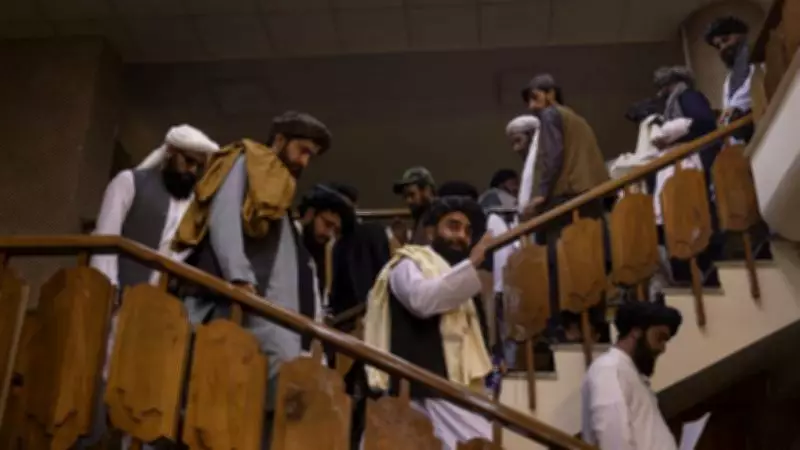
In a significant development, the Taliban has reportedly established a shadow government structure, effectively seizing control over Afghanistan's administrative and governance mechanisms. This move marks a pivotal shift in the country's political landscape, as the group consolidates its authority beyond military dominance.
Background and Context
The Taliban's resurgence in Afghanistan has been a topic of global concern, particularly following the withdrawal of international forces. Over recent months, the group has intensified its efforts to assert control, not only through military means but also by building parallel governance institutions. This shadow government is designed to manage key functions such as law enforcement, taxation, and public services, effectively bypassing the official state apparatus.
Structure and Operations
The shadow government is structured to mirror traditional state functions, with appointed officials overseeing various sectors. Reports indicate that the Taliban has established committees for finance, justice, and education, among others. This allows the group to administer areas under its influence, providing a semblance of order while undermining the legitimacy of the internationally recognized government.

Key aspects of this shadow government include:
- Appointment of shadow governors and administrators in provinces.
- Implementation of Taliban-specific laws and regulations.
- Collection of taxes and management of local resources.
- Provision of basic services to gain public support.
Implications for Afghanistan and Beyond
The establishment of this shadow government has profound implications for Afghanistan's stability and international relations. Domestically, it creates a dual power structure that could lead to increased conflict and confusion among the populace. The official government may struggle to maintain authority, potentially resulting in a fragmented state.
Internationally, this development complicates diplomatic efforts and humanitarian aid distribution. Countries and organizations may face challenges in engaging with Afghanistan, as the shadow government's actions could influence policies and security. The situation also raises concerns about human rights and governance standards, given the Taliban's historical record.
Regional and Global Reactions
Neighboring countries and global powers are closely monitoring the situation. Some nations have expressed alarm over the potential for increased instability and spillover effects, such as refugee flows and security threats. Diplomatic channels are being utilized to address the issue, but a cohesive international response remains elusive due to differing interests and priorities.
Experts warn that the Taliban's shadow government could solidify its hold, making it difficult to reverse in the future. This underscores the urgency for coordinated action to support Afghanistan's sovereignty and democratic processes.
Future Outlook
Looking ahead, the trajectory of Afghanistan will largely depend on how the shadow government evolves and interacts with the official state. If the Taliban continues to expand its administrative control, it could lead to a de facto partition or prolonged civil strife. Conversely, negotiations and international pressure might encourage a more inclusive governance model.
In conclusion, the Taliban's construction of a shadow government represents a critical juncture in Afghanistan's history. It highlights the group's strategic shift from insurgency to state-building, with far-reaching consequences for the region and the world. Stakeholders must navigate this complex landscape to promote peace and stability in Afghanistan.