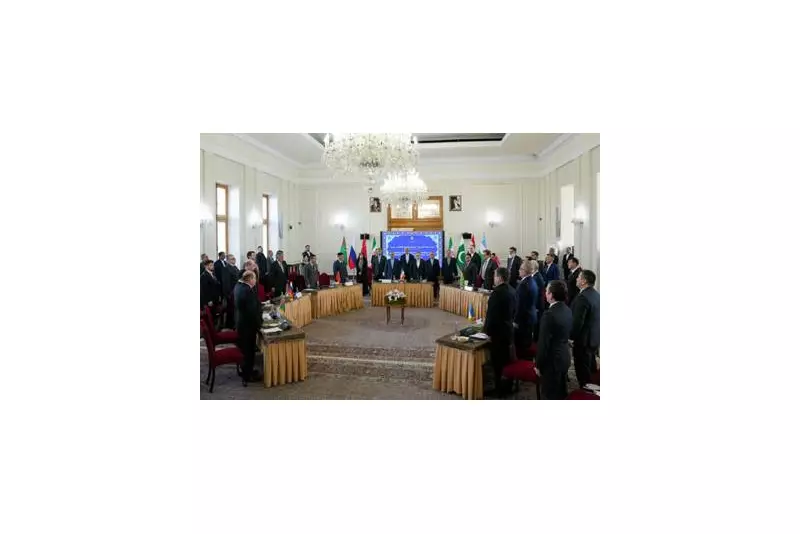
In a significant diplomatic move, special envoys from key regional nations convened in Tehran to address the ongoing situation in Afghanistan and its impact on regional stability, particularly concerning Pakistan. The meeting brought together representatives from Iran, Pakistan, China, Tajikistan, Uzbekistan, Turkmenistan, and Russia.
Unified Call for De-escalation and Diplomacy
The primary focus of the discussions was the recent tensions between Afghanistan and Pakistan. The participating countries collectively voiced strong support for all efforts aimed at reducing these tensions. They expressed a clear readiness to assist in strengthening any initiatives that promote peace and urged both neighboring states to return to the negotiation table.
The envoys emphasized that disputes should be resolved through peaceful and diplomatic channels, underscoring a regional consensus against escalation. This meeting highlights the growing concern among Afghanistan's neighbors regarding cross-border security issues and the desire for a coordinated response.

Joint Stance on Afghanistan's Sovereignty and Economy
Beyond the immediate Pakistan-Afghanistan issues, the joint statement issued after the meeting contained several critical points. The envoys opposed any foreign military presence in Afghanistan, a clear stance on the country's sovereignty. Furthermore, they stressed the responsibility of the international community to support Afghanistan's economic recovery.
A key demand was the lifting of international sanctions and the release of Afghanistan's frozen central bank assets. The countries argued that such measures are essential for achieving long-term stability in the war-torn nation and preventing a humanitarian crisis that could spill over borders.
A Region-Centered Approach to Stability
The officials reviewed the latest developments in Afghanistan and concluded that a region-centered approach is vital for addressing the multifaceted challenges. They emphasized the importance of regional convergence—where neighboring countries work in unison rather than pursuing isolated policies.
In their statement, the nations underlined the necessity of strengthening stability in Afghanistan and announced their readiness to help achieve this objective, provided the Afghan interim administration requests such support. This positions the regional bloc as a potential facilitator for Afghanistan's integration and security, independent of Western influence.
The Tehran meeting marks a concerted effort by regional powers to take ownership of the Afghan peace and stability process, advocating for dialogue between Kabul and Islamabad while pushing for economic relief to prevent further instability.