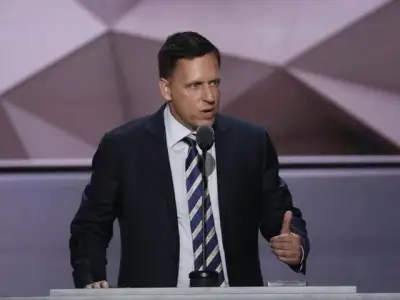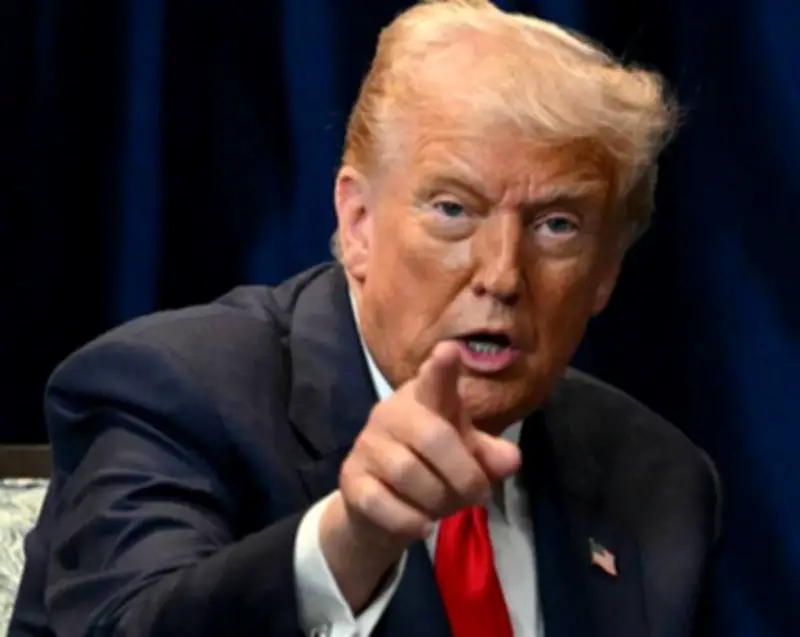
US President Donald Trump stated in an interview with NBC News' 'Meet the Press' that he would not unfreeze Iranian assets or lift sanctions before a peace deal is reached. He emphasized that such steps would only occur after an agreement, saying, 'Comes after. If they behave, if they do a good job, we start talking.'
Trump's Stance on Iran Deal
Trump denied demanding Lebanon's inclusion in a short-term deal with Tehran, noting, 'I think they'd like to see it, but I'm not demanding.' The interview, recorded on Friday, came amid US and Israeli strikes on Iran that began on February 28. The administration has been negotiating a potential peace deal for weeks. 'We're very close to a deal, or I'm going to blow the hell out of them,' Trump warned. 'We have a couple of points. They don't even seem like big points.'
Potential Talks with Iran's Leader
The president expressed willingness to speak with Iran's supreme leader, Ayatollah Mojtaba Khamenei, who has been out of public view since being wounded in US strikes. 'I don't want to say whether or not I know where he is, but there's a good probability that I do,' Trump said. Top officials, including Secretary of State Marco Rubio, insist a temporary ceasefire holds despite recent US strikes, describing them as defensive.

Destruction of Uranium and Troop Presence
Trump announced the US would seize and destroy Iran's highly enriched uranium, with or without Tehran's consent. 'We'll take it out and destroy it, whether it's on-site or whether we take it off-site,' he stated. He intends to keep US troops in the Middle East until 'completion' and does not consider them in danger. Trump also called for more 'surgical' strikes against Hezbollah in Lebanon, saying, 'I'd like to see Lebanon have a better life. I'd like to see a more surgical attack on Hezbollah.'
Ceasefire and Continued Strikes
In a social media post, Trump declared, 'I don't like these endless wars. This is not an endless war. We've been doing this for three months; much of it has been under a pretty good form of ceasefire.' Meanwhile, Israel struck Beirut's southern suburbs on Sunday for the first time since the US truce plan for Lebanon, killing two and wounding 11. An Iranian lawmaker threatened retaliation, jeopardizing talks. Iran has linked any peace deal to a ceasefire in Lebanon, where Israel invaded in March targeting Hezbollah.
War Enters 100th Day
The US-Israel war on Iran reached its 100th day. US Central Command shot down two Iranian drones threatening shipping in the Strait of Hormuz and destroyed four other drones and radar sites. Trump launched the campaign in February with air strikes alongside Israel. He has pressured Israel to scale back in Lebanon for a deal with Iran, rebuking Prime Minister Benjamin Netanyahu. After a phone call, Netanyahu canceled strikes on Beirut and agreed to a truce plan, but Israel has not fully halted its campaign. Hezbollah continues attacks, demanding a full Israeli withdrawal.
Regional Tensions
Netanyahu said Sunday's strike on Dahiyeh, a Hezbollah stronghold, was retaliation for Hezbollah fire. The Israeli military issued evacuation orders for Tyre. Mourners held a funeral for Brigadier General Wissam Sabra, killed in a strike. The war has been stalemated since early April, with Tehran blocking shipping through the Strait of Hormuz and Washington imposing a blockade. Both sides claim to be close to a preliminary agreement to reopen the strait but continue trading strikes, including attacks on Arab states hosting US bases. US forces struck Iranian radar sites on Saturday after shooting down drones. Iran's Revolutionary Guards retaliated against US bases in Kuwait and Bahrain, with Kuwait reporting seven ballistic missiles causing material damage but no casualties.