US and Iran Slide Towards Conflict as Military Buildup Eclipses Talks
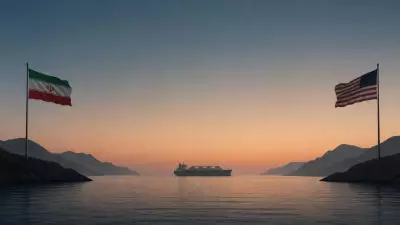
The geopolitical landscape in the Middle East is growing increasingly volatile as the United States and Iran engage in a significant military buildup, overshadowing ongoing diplomatic negotiations and heightening fears of a direct confrontation. This escalation marks a critical juncture in US-Iran relations, with both nations deploying additional forces and assets across the region, potentially destabilizing an already tense environment.
Military Escalation and Strategic Deployments
Recent reports indicate that the United States has bolstered its military presence in the Middle East, including the deployment of advanced naval vessels and air defense systems to key strategic locations. This move is widely interpreted as a response to perceived threats from Iran and its proxies, who have been accused of targeting US interests and allies in the area. Concurrently, Iran has ramped up its military exercises and missile tests, showcasing its defensive capabilities and signaling readiness to counter any potential aggression.
The military buildup is not limited to conventional forces; both sides are also enhancing their cyber and intelligence operations, adding a new dimension to the standoff. Analysts warn that this escalation could lead to miscalculations or accidental clashes, further complicating efforts to de-escalate tensions through dialogue.

Diplomatic Efforts Stalled Amid Rising Tensions
Despite initial hopes for renewed diplomatic engagement, talks between the US and Iran have largely stalled, eclipsed by the growing military posturing. Key issues such as Iran's nuclear program, regional influence, and sanctions relief remain unresolved, with both sides adopting hardened positions. The lack of progress in negotiations has fueled skepticism about the viability of a peaceful resolution, as trust between the two nations continues to erode.
International mediators, including European powers and regional actors, have called for restraint and a return to the negotiating table. However, their efforts have been hampered by the escalating military activities, which create a hostile atmosphere that is not conducive to constructive diplomacy.
Regional Implications and Global Concerns
The US-Iran military buildup has far-reaching implications for regional stability, affecting countries across the Middle East. Allies of both nations, such as Israel and Saudi Arabia for the US, and various militia groups for Iran, are closely monitoring the situation, with some preparing for potential spillover effects. This dynamic increases the risk of proxy conflicts and broader regional instability, which could have global economic and security repercussions.
Global leaders have expressed concern over the situation, emphasizing the need for de-escalation to prevent a full-blown conflict. The international community is closely watching developments, as any major confrontation between the US and Iran could disrupt oil supplies, trigger humanitarian crises, and reshape geopolitical alliances.
Future Outlook and Potential Scenarios
Looking ahead, the trajectory of US-Iran relations remains uncertain, with several potential scenarios on the horizon. If diplomatic channels can be revived, there is a possibility of reducing tensions through renewed negotiations and confidence-building measures. However, if the military buildup continues unchecked, the risk of accidental or intentional conflict could escalate, leading to a dangerous and unpredictable situation.
Experts suggest that both sides must prioritize dialogue over confrontation to avoid a catastrophic outcome. The coming months will be critical in determining whether the US and Iran can step back from the brink or if they are destined for a more direct and costly confrontation.