International Outcry Over US-Israel Military Strike on Iran
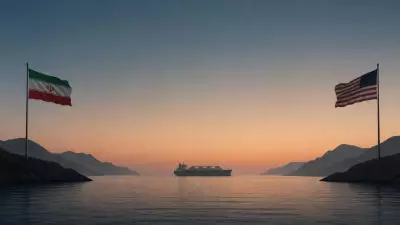
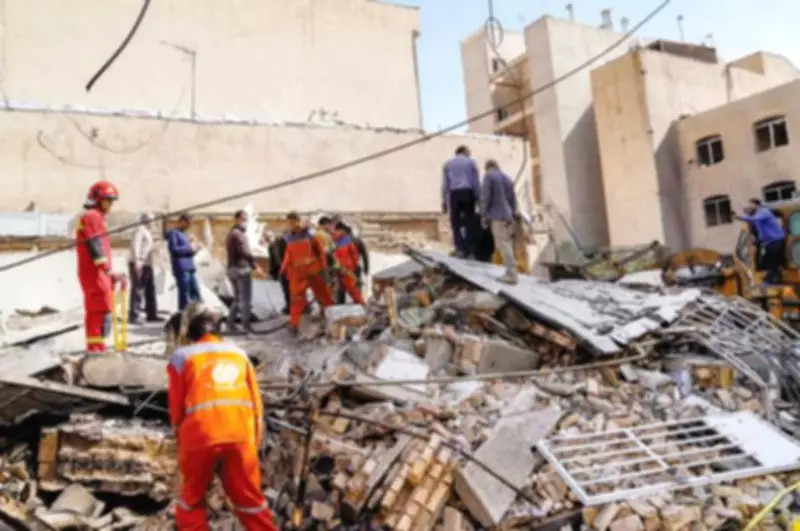
The global community has erupted in condemnation following a coordinated military strike by the United States and Israel on Iranian targets. This aggressive action has plunged the Middle East into a state of heightened tension, with Tehran issuing a firm promise of retaliation. The strike, which occurred in the early hours of March 1, 2026, targeted key Iranian military installations, sparking immediate and widespread diplomatic backlash from nations and international bodies worldwide.
Swift and Severe Condemnations from World Leaders
Leaders from across the globe have voiced their strong disapproval of the attack. The United Nations Secretary-General expressed deep concern, calling for an immediate de-escalation and a return to diplomatic dialogue. European Union foreign ministers convened an emergency meeting, issuing a joint statement that denounced the use of military force and urged all parties to exercise maximum restraint. China and Russia, both strategic partners of Iran, released scathing critiques, accusing the US and Israel of destabilizing the region and violating international law.
Neighboring Arab states, while often critical of Iran's regional influence, have also condemned the strike, fearing it could trigger a broader conflict. Saudi Arabia and the United Arab Emirates called for calm and emphasized the importance of regional stability. The Organization of Islamic Cooperation (OIC) held an urgent session, with member states unanimously condemning the attack as an act of aggression.

Tehran's Vow of Retaliation and Escalating Tensions
In response to the strike, Iranian officials have vowed a decisive and powerful retaliation. The Supreme Leader of Iran declared that the attack would not go unanswered, promising that the response would be swift and severe. Iran's military command has been placed on high alert, with reports of troop mobilizations and heightened readiness along its borders. The Iranian Foreign Ministry summoned the Swiss envoys, who represent US interests in Tehran, to deliver a formal protest, labeling the strike as a blatant act of war.
This vow of retaliation has raised alarms about potential escalations, including possible missile strikes, cyber-attacks, or proxy conflicts through Iran's allied militias in the region. Oil markets have already reacted with volatility, as fears of supply disruptions from the Persian Gulf sent prices soaring. Global security analysts warn that the situation could rapidly spiral into a full-scale regional war, with devastating humanitarian and economic consequences.
Diplomatic Fallout and Calls for De-escalation
The diplomatic fallout from the attack is extensive. The US and Israel have defended their actions, citing intelligence about imminent threats from Iran, but this justification has been met with skepticism by many in the international community. Several countries have recalled their ambassadors from Washington and Tel Aviv for consultations, signaling a severe strain in bilateral relations. The United Nations Security Council is scheduled to hold an emergency debate, with many members expected to push for a resolution condemning the strike and calling for an immediate ceasefire.
Humanitarian organizations have expressed grave concerns about the potential for civilian casualties and displacement in any retaliatory actions. The International Committee of the Red Cross (ICRC) has called on all parties to respect international humanitarian law and protect non-combatants. As tensions mount, there is a growing chorus of voices urging for diplomatic solutions, including renewed negotiations on regional security frameworks and nuclear agreements, to prevent further violence and restore stability in the Middle East.