In a significant development amid the ongoing conflict, President Volodymyr Zelensky of Ukraine has announced a conditional offer to halt long-range strikes on Russian energy infrastructure. This statement, released on Friday, comes in response to remarks from former US President Donald Trump, who raised hopes for a temporary pause in hostilities during a severe cold snap affecting the region.
Zelensky's Conditional Proposal for De-escalation
Zelensky, in comments made under embargo until Friday and shared with journalists including from AFP, explicitly stated, "If Russia does not strike our energy infrastructure -- generation facilities or any other energy assets -- we will not strike theirs." This proposal underscores Ukraine's willingness to engage in reciprocal measures to reduce violence, particularly targeting energy systems that have been a focal point of the war's humanitarian impact.
Trump's Claims and Kremlin's Response
Trump asserted on Thursday that his Russian counterpart, Vladimir Putin, had agreed to halt attacks on Kyiv and other Ukrainian cities due to the extreme cold weather sweeping across the country. The Kremlin confirmed on Friday that Trump "did indeed make a personal request to President Putin to refrain from striking Kyiv for a week until February 1 in order to create favourable conditions for negotiations." However, Kremlin spokesman Dmitry Peskov did not specify when this request was made, leaving some details unclear.

Ongoing Attacks Despite Diplomatic Moves
Despite Trump's claims of a pause, the situation on the ground remains tense. According to the Ukrainian air force, Moscow's forces launched dozens of drones and one missile at Ukraine overnight. These attacks resulted in:
- Damage to a residential building in the central Zaporizhzhia region.
- Targeting of civilian infrastructure in the northern Chernigiv region.
Ukraine reported that Russian forces had launched 111 attack drones and one missile overnight, wounding one person in Zaporizhzhia, highlighting the continued aggression despite diplomatic overtures.
Humanitarian Crisis and Winter Challenges
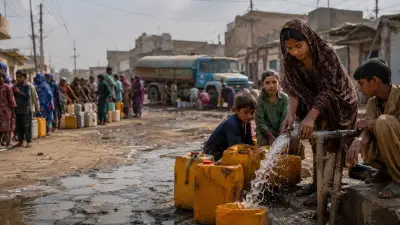
The timing of these developments is critical, as recent Russian strikes on Ukraine's power infrastructure have severely disrupted light, heating, and water supplies. With temperatures plummeting, the war-battered country faces a fresh humanitarian crisis. Russia has systematically targeted energy facilities each winter, but this year's campaign coincides with one of the coldest seasons in years, complicating repair efforts and exacerbating the suffering of civilians.
Upcoming Negotiations and Territorial Disputes
Zelensky and Trump's comments on a possible de-escalation come just days before Russian and Ukrainian negotiators are set to meet for a second round of talks in Abu Dhabi. These discussions, following previous meetings last week, are expected to focus on key unresolved issues, particularly territorial control over Ukraine's eastern Donetsk region. The war, nearing its four-year anniversary, continues to be a source of global concern, with these talks representing a crucial step toward potential peace.
In summary, while Zelensky's offer and Trump's claims suggest a move toward reduced hostilities, the reality of ongoing attacks and the harsh winter conditions underscore the complex and volatile nature of the Ukraine conflict. The international community watches closely as negotiations approach, hoping for a breakthrough that could alleviate the humanitarian toll.