Over 50,000 Dead in Gaza Amid International Inaction
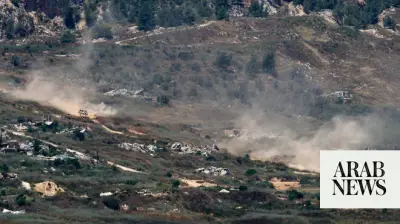
More than 50,000 people have lost their lives in Gaza, and vast areas lie in ruins. Yet the international response remains mired in debate, with the UN Security Council veto system enabling endless discussion without decisive action. Media cycles move on before the rubble is fully catalogued, and aid corridors are negotiated as a substitute for accountability.
The Loss of Meaning: Frankl's Insight Applied to Gaza
Viktor Frankl, in his classic Man's Search for Meaning, described the worst moment in a concentration camp as not the arrival or the beatings, but when a prisoner stopped imagining a future. He called this 'the loss of meaning'—not despair, but the loss of a story in which one's pain would be seen and acknowledged. In Gaza, prolonged suffering without a witness creates a similar internal void.
Witnessing vs. Watching: A Critical Distinction
Witnessing is not the same as watching. Footage exists, casualty figures are updated, and journalists work at great personal sacrifice. But for Frankl, witnessing requires a structure that can respond and place suffering in a framework of meaning. Hannah Arendt identified the deepest wound as the loss of the standing to have rights at all—a condition that afflicts Gaza today.

Why Reconstruction Plans Fail
All reconstruction plans are doomed if the population has been taught that their future is not a variable anyone is solving for. Resolutions, statements, and conferences produce documentation without consequence, outrage without obligation. Gaza is sick of processed suffering; what is needed is the restoration of the category that these are people whose future the international order is organized to protect.
The Need for a Future Where Meaning Can Be Restored
Frankl survived and became the witness his suffering lacked. That option of retrospective meaning requires a future in which correction can occur. Without true witnessing, ceasefires are just pauses, and the day-after plans remain empty promises.