Trump and Cassidy Clash Over Iran War in Closed-Door Meeting
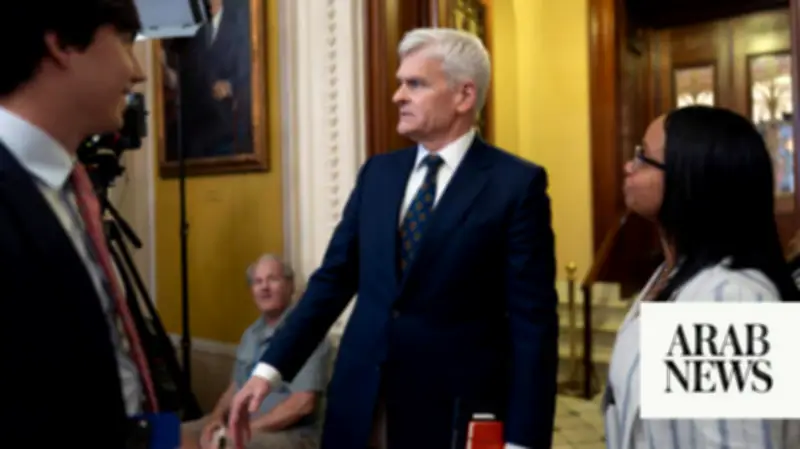
US President Donald Trump faced pointed criticism over the Iran war on Wednesday in a closed-door meeting with fellow Republicans, shortly before his administration asked Congress for tens of billions of dollars to pay for the conflict. Several Republicans in the meeting said Trump engaged in a shouting match with Republican Senator Bill Cassidy, who questioned the administration's framework deal with Iran.
Cassidy Demands Answers on Framework Deal
Cassidy told reporters, “The American people need to know more than we are being told. It does not appear, although I don’t know for sure, that the course of this is going the way that we were told.” The exchange highlighted growing unease among Republicans over the war, which has weighed on Trump ahead of November elections. A Reuters/Ipsos poll found that just one in four Americans believes the war was worth its costs, and Trump’s approval rating is at its lowest level since he returned to office last year.
Senate Votes to End War in Symbolic Rebuke
The shouting match came one day after the Senate voted to direct Trump to end the war in a largely symbolic rebuke. Cassidy was one of four Republicans to back the resolution, along with opposition Democrats. Trump did not mention the exchange with Cassidy, who was unseated by a Trump-backed challenger in a primary earlier this year. Later, Trump criticized the Senate vote, saying, “Iran sees that, they go ‘what’s that all about’. Now you know, it’s meaningless, right?”

Administration Requests $70 Billion for War Costs
Several hours after the meeting, the administration asked Congress for $70 billion to cover the cost of the war, adding to the $867 billion US military budget. In a Wednesday evening post on X, Cassidy thanked Vice President JD Vance and Special Envoy Steve Witkoff for “the thorough briefing this afternoon on Iran.” He added, “I appreciate the quick invitation to the White House to address many of my concerns.”
Oil Prices Fall as Iran Deal Eases Supply Concerns
The initial accord between the US and Iran has lifted Iran’s chokehold on the Strait of Hormuz, allowing traffic to flow again through a waterway that previously handled a fifth of global oil and liquefied natural gas shipments. Benchmark oil prices fell on Wednesday to their lowest level since before the war started as supply concerns eased further. However, conflicting accounts have emerged over elements of the deal, prompting criticism of Trump at home and in the Middle East. Financial incentives for Iran, inspections of Iran’s nuclear facilities, control of the strait, and Israel’s parallel war in Lebanon have all been disputed, highlighting the fragility of the accord. The deal sets up 60 days of talks to tackle thornier details, including Iran’s nuclear program.
Regional Skepticism Over Proposed Peace Deal
The proposed peace deal has also been met with skepticism in the Middle East, where many states came under attack from Iran during the war and view the accord as too generous to Tehran, including a $300 billion fund and the waiver of some sanctions. Washington’s Gulf allies fear the reconstruction fund could help Iran rebuild its military. The accord also does not address Tehran’s ballistic missile capacity. The deal requires Iran to allow shipping to flow freely through the Strait of Hormuz for 60 days, and Tehran has suggested it might impose tolls after that point. Iran could propose environmental, navigation, and security fees in upcoming talks with Gulf states, according to a diplomat briefed on the talks. Washington and its Gulf allies oppose such fees. US Secretary of State Marco Rubio said in Kuwait City, “We’re not going to do anything that undermines the security of our allies, our longstanding allies in the region.”

Israel and Lebanon Meet in Washington
Elsewhere in Washington, Lebanon and Israel discussed a US-backed proposal for Israeli forces to pull out of some of the territory it invaded in the war and hand it to Lebanese army control. But Israeli Prime Minister Benjamin Netanyahu said Israel would not pull troops out of the region. Israel has been battling Hezbollah in Lebanon since the militant group attacked Israel on March 2 in support of Iran, and Tehran has made a cessation of hostilities there a central tenet of its demands in any peace deal with the US. An Israeli drone strike on a car in southern Lebanon killed at least two people on Wednesday, Lebanese sources told Reuters, while Israel said it struck two armed Hezbollah fighters. It was not immediately clear if the incidents were the same.