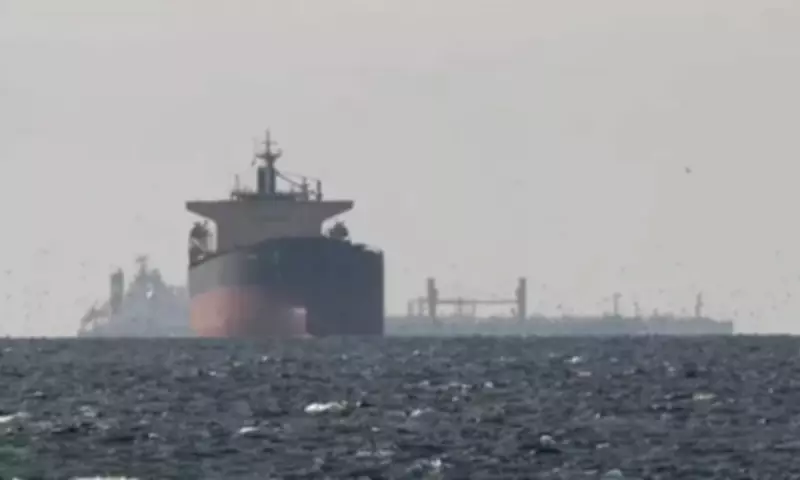
A container vessel operated by French shipping giant CMA CGM was attacked in the Strait of Hormuz on Tuesday, as escalating tensions between the United States and Iran brought shipping through the strategic waterway to a standstill.
Attack Details
The incident occurred early Tuesday morning when an unidentified projectile struck the CMA CGM vessel, causing minor damage but no casualties. The ship, which was traveling under the French flag, was reportedly carrying general cargo and was en route from the United Arab Emirates to Saudi Arabia. The attack forced the vessel to alter its course and seek safe harbor.
Immediate Impact on Shipping
Following the attack, multiple shipping companies, including Maersk and MSC, announced the suspension of their operations in the Strait of Hormuz. The strait is a critical chokepoint for global oil and gas shipments, with about 20% of the world's petroleum passing through it daily. The halt in shipping has already caused a spike in oil prices, with Brent crude rising by over 3% in early trading.

US-Iran Tensions
The attack comes amid a sharp escalation in US-Iran tensions, following the US assassination of Iranian General Qasem Soleimani in Baghdad last week. Iran has vowed revenge, and the US has deployed additional troops to the Middle East. The Strait of Hormuz has been a flashpoint in the past, with Iran threatening to block the waterway in response to sanctions.
International Response
The United Nations Security Council held an emergency session on Tuesday to discuss the situation. Several member states called for restraint and urged both parties to de-escalate. The European Union expressed deep concern over the attack and called for an independent investigation. Meanwhile, Iran denied any involvement in the incident, blaming "foreign elements" for the attack.
Economic Consequences
The disruption of shipping through the Strait of Hormuz is expected to have significant economic consequences. Analysts warn that prolonged closure could lead to supply chain disruptions, higher energy costs, and global economic slowdown. Insurance premiums for vessels transiting the region have already skyrocketed, further complicating the situation.
As of now, the US Navy has increased its presence in the region, and naval convoys are being considered to protect commercial shipping. The situation remains fluid, with all eyes on the next moves by Washington and Tehran.