Cuba's Top Envoy to US Calls Trump's Sanctions a 'Pretext' for Military Action
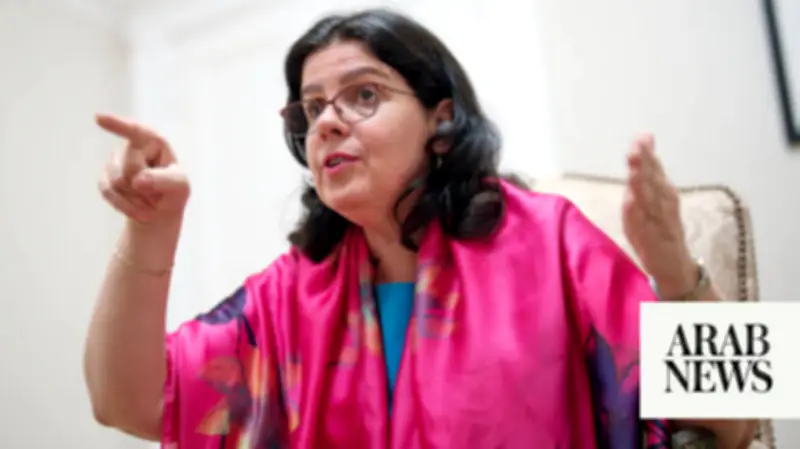
In a recent interview with The Associated Press, Cuba's top diplomat to the United States, Ambassador Lianys Torres Rivera, accused the Trump administration of using sanctions against Cuban leaders and the indictment of former President Raúl Castro as a pretext to justify potential military intervention. Speaking at Cuba's embassy in Washington, she stated, "The sanctions against our leaders, we see as a pretext to make the American people think we are a threat. We are not a threat to the US, and we don't want confrontation."
Torres Rivera, who holds the title of chargé d'affaires, described the current situation as "a war without bombs." She emphasized that any efforts to change Cuba's government through coercion or force would be met with fierce resistance. Referring to the indictment of Raúl Castro on conspiracy and murder charges related to the 1996 shootdown of civilian planes, she declared, "Raúl is a sacred symbol of the revolution, and we will defend Raúl — as we will the country — until the end. If we are attacked, we are going to respond, and we are prepared for that. But we don't want it."
Her comments reflect a widespread belief among Cubans and analysts that the charges against Castro and the sanctions are reminiscent of the justifications used by the Trump administration for military intervention in Venezuela in January, which led to the ousting of President Nicolás Maduro. On the same day the US Treasury Department imposed sanctions on Cuban President Miguel Díaz-Canel, Castro's son and grandson, and others, President Donald Trump stated regarding Cuba, "We're going to handle that as soon as we've finished" military operations in Iran.

Trump has threatened military action in Cuba since ousting Maduro and ordering an energy blockade that cut off fuel shipments to the island. This has resulted in severe blackouts, food shortages, and economic collapse. Torres Rivera noted that ordinary Cubans are suffering with power cuts of up to 20 hours a day and high costs for gasoline, kerosene, food, and medicine. She said, "What is happening now is tough. It is heartbreaking."
However, Trump, Secretary of State Marco Rubio, and other officials deny that America is responsible for Cuba's economic woes, blaming the Cuban government's socialist policies instead. They have not ruled out military action but have indicated a willingness to give Cuban authorities time to implement reforms. Torres Rivera mentioned that recent discussions between US and Cuban officials have been "professional and respectful," but stressed that Cuba will only change through internal reforms, not under duress.
Drawing a comparison to Vietnam, a socialist country with which Cuba has long-standing ties, Torres Rivera noted that Washington and Hanoi developed a positive relationship only after Vietnam enacted reforms at its own pace. She argued that Cuba should be allowed the same approach: "We want to make sure that the only changes to the system are done by us."
In contrast, Secretary Rubio has asserted that Cuba poses a serious national security threat to the US due to its security and intelligence ties with China and Russia, as well as friendly relations with US foes in Latin America. He told lawmakers, "I really don't believe this system is capable of reform unless new people take over or a new mindset takes hold." The State Department did not immediately respond to a request for comment on the ambassador's remarks.