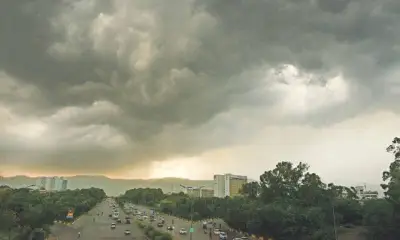
Europe Faces Unprecedented Heatwave
Climate change is unfolding before our eyes, with Europe now experiencing historic high temperatures across numerous cities. France recorded an unthinkable 44°C, while Germany saw temperatures above 41°C for the first time. These are not isolated incidents—approximately 150 million people in Europe are facing temperatures exceeding 35°C.
Southern World Perspective on Heat
For those living in the southern hemisphere, temperatures above 40°C are routine, and many cities see readings above 50°C. With humidity, much larger populations experience 'feels-like' temperatures close to 50°C. However, these same temperatures can be deadly for populations that have historically focused on surviving the cold, with their main objective being staying warm in winter. Now, unexpected long heatwaves are not only disrupting daily life but also causing fatalities. Current estimates suggest close to 500 people have died due to heat-related causes, including drowning incidents.
Academic Advice vs. Practical Experience
Newspapers and media are advising the public on how to cope with high temperatures. However, as most writers and experts are European-based, their advice often feels academic and only scratches the surface. In contrast, people from hotter regions deal with such conditions every summer, which is becoming longer and hotter each year. Therefore, practical survival tips from those accustomed to extreme heat are offered for the European population facing the current heat wave.

Stay Indoors During Peak Heat
Start by staying home during the daytime if you have no business outside. Avoid the hottest hours, typically from 11am to 4pm, though this varies with sunrise and sunset. If you must go out, wear light-colored, loose clothing. While Western summers often see shorts, it is advisable to wear full but loose pants and shirts to protect your skin and reflect most light. Always wear a hat with a long brim to protect your neck and face, and sunglasses are essential.
Hydration and Diet Adjustments
Make homemade lemonade with sugar, lemon, and a little salt if you are sweating a lot, unless you are hypertensive or diabetic. Commercial drinks contain too much sugar and unnecessary ingredients. Another common drink in hotter regions is one part organic yogurt mixed with at least ten parts water and a little salt—a very diluted lassi. This is a favorite lunch drink because it has few calories and allows you to drink a lot of water. Avoid sodas altogether and even juices unless watered down. On hot summer days, spicy food was avoided, and dishes made with yogurt were preferred. As a young man, I often ate fresh chutney rolled in roti with lassi instead of curries. Even honeydew melons are still eaten with bread instead of heavy meals.
Cooling Homes Without Air Conditioning
Homes without air conditioning are challenging, especially with small windows. But air conditioning is a recent addition to our lifestyle. Growing up, very few people had it. Sleeping was always on the roof or outside. That may not be possible in many European cities, but where possible, it should be tried. Use bed nets and mosquito repellents. In the evenings, terraces were washed to cool the bricks, and families sat there with an electric fan to get relief from the day's heat.
Recognizing Heat Stroke Symptoms
Excessive heat can cause heat stroke, a life-threatening condition. Symptoms include confusion, high body temperature, dry skin (or excessive sweating if exercising), rapid pulse, shallow breathing, nausea, vomiting, or severe headache. If you or someone else experiences these symptoms, move to shade or a cool/air-conditioned space, remove excessive clothing, and bring body temperature down with cold sponges, towels, or ice packs.
Long-Term Adaptations
Hot weather forced us to change our clothing, living style, and food to survive. Europe now needs to learn basic but centuries-old coping mechanisms from the south. Meanwhile, the south must also radically improve heat-managing techniques as average temperatures rise, and some areas may become extremely dangerous for human life. Bring trees back into mega cities of concrete jungles, increase real forests, and move towards green energy. This is not about leftist or rightist agendas—it is about our survival.