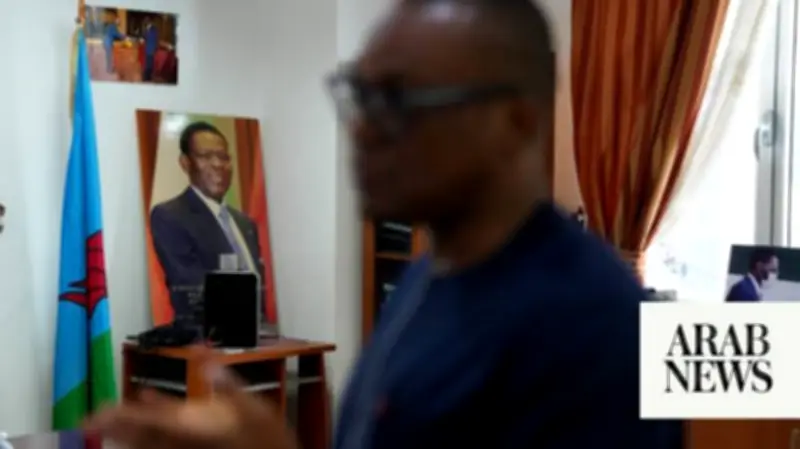
At first glance, the Bamy Hotel on the tropical island of Bioko resembles any other resort, with its palm-lined driveway, marble foyer, and a portrait of President Teodoro Obiang Nguema Mbasogo behind the mahogany reception desk. However, since late last year, the eerily empty hotel has been transformed into a detention center for asylum seekers deported from the United States under a secretive $7.5 million agreement with the Trump administration.
A Way Station for the Deported
The hotel, owned by the Obiang family, serves as a temporary prison for migrants who were previously granted protection by US judges. Of the at least 32 individuals held there since November, 25 have been forcibly returned to their home countries across Africa, where they face threats to their lives. The remaining detainees are under constant pressure to leave.
“Government people would come all the time and say: Where is your passport? You need to go back to your own country,” recounted a 26-year-old man from an East African nation, speaking on condition of anonymity for fear of retaliation.

Legal Loophole and Authoritarian Regime
Immigration lawyers describe these deportations to third countries as a legal loophole used by the Trump administration to indirectly force asylum seekers back to their homelands. Equatorial Guinea, ruled by an authoritarian government, makes it difficult for foreign journalists to report on conditions. The Associated Press gained access to the hotel during a visit by the first American pope, becoming the only international news organization to witness the detention facility.
Detainees from Angola, Eritrea, Ethiopia, and Mauritania wander the hotel’s long corridors and gaze out at the shimmering pool they are prohibited from using. They report no physical abuse but suffer intense psychological pressure, knowing they are likely to be sent back to countries where they face persecution.
“I am scared and depressed,” said the East African man, who fears imprisonment or death due to his ethnicity and political background.
US Ties and Human Rights Concerns
Equatorial Guinea, one of Africa’s richest nations due to oil, is also rife with corruption and human rights abuses. The US government has strong economic ties with the country, yet criticizes its record. The Trump administration declined to comment on the deal’s specifics, but a State Department spokesperson stated, “we remain unwavering in our commitment to end illegal and mass immigration.”
The detainees’ daily life is mundane yet surreal. They sleep in rarely cleaned fancy rooms, eat rice and meat at white-clothed tables, and receive basic supplies from a local lawyer. Medical care is inconsistent: one man was taken to the hospital for an eye problem but had to wait until his condition deteriorated from malaria and typhoid before receiving an IV.
When the East African man complained to a police officer, he was told his problems would vanish if he jumped from the fourth floor. “What can I do now? It’s become worse,” he said, his body shaking.
Uncertain Future
The remaining detainees know they can be sent home any day. UN agencies visited in November but never returned. The East African man, the only one allowed to see a lawyer, made a formal asylum request to the prime minister’s office, but it was rejected. He was told to plead with the vice president but was informed he would be next to be deported.
As he awaits his fate, he said, “I started losing my mind.”