The United Nations nuclear watchdog's 35-nation Board of Governors passed a US-backed resolution on Wednesday telling Iran to declare its remaining enriched uranium stocks and let inspectors verify them, a move that could complicate ongoing talks between Washington and Tehran.
Resolution Details
The resolution, submitted by the United States, Britain, France, and Germany, was passed with 21 votes in favor, three against, and 10 abstentions, diplomats at the closed-door meeting said. The countries opposing were Russia, China, and Niger.
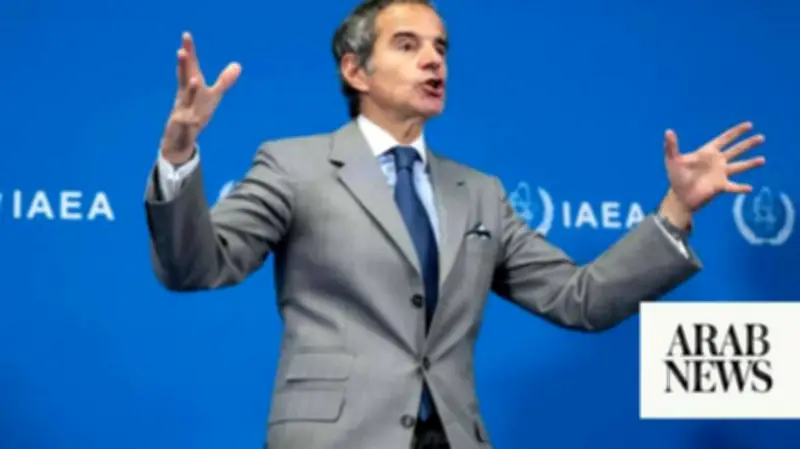
The resolution demands that Iran "provide the Agency with complete information on nuclear material inventories" and grant the International Atomic Energy Agency (IAEA) the access it needs to verify that "without delay."

Iran's Response
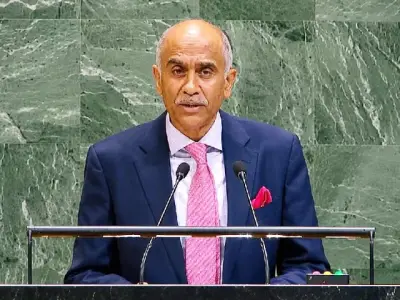
Iran has called the resolution "whitewashing military aggression," since inspectors had access before the strikes. Iran's Deputy Foreign Minister Kazem Gharibabadi said on X before the vote: "The Israeli regime's and America's attacks on Iran's nuclear facilities halted verification activities and forced Agency inspectors to leave Iran for safety reasons. Now, America seeks to turn the consequences of its illegal attack into a case against the Islamic Republic of Iran."
Iran's mission to the IAEA had warned the board to be "cautious on the path forward." Iran bristles at resolutions against it and has responded to previous ones by escalating its atomic activities or scaling back cooperation with the IAEA.
Background and Context
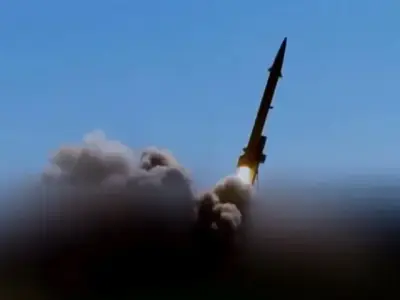
The move came within hours of the US and Iran trading military strikes after US President Donald Trump said Iran had downed a US Apache helicopter near the Strait of Hormuz. Israeli and US attacks in June of last year destroyed or badly damaged Iranian uranium-enrichment plants, but much of the enriched uranium they produced, including material close to weapons-grade, is thought to have survived.
Iran still has not informed the IAEA of the fate of that material, nor let IAEA inspectors return to the bombed sites to check.
US-Iran Talks
The United States and Iran are in talks aimed at extending their ceasefire and paving the way for wider negotiations on issues including Iran's nuclear program. Trump appeared to express frustration at the negotiations, having repeatedly said for months that the two sides are close to an initial agreement.
"Iran is all talk and no action," Trump said in a social media post on Wednesday. "They've taken too long to negotiate a deal that would have been great for them, now they will have to pay the price!!!"
Trump has said Iran must not be able to produce a nuclear weapon, and Iran says it never would. A key aim of Trump's is removing Iran's enriched uranium, particularly the 440.9 kg enriched to up to 60 percent purity, a short step from the roughly 90 percent of weapons grade, the IAEA estimates Iran had until the first Israeli strikes on June 13 of last year. That is enough, if enriched further, for 10 nuclear weapons, according to an IAEA yardstick. How much of it remains is unclear.