The Far-Reaching Impact of the Iran War on Daily Life and Global Systems
The ongoing conflict between the United States, Israel, and Iran has unleashed a cascade of disruptions that extend far beyond the battlefield. While no direct combat involves countries like India, Sri Lanka, or Egypt, their populations are experiencing wartime-like conditions due to the closure of the Strait of Hormuz. This strategic waterway, critical for global trade, has seen a 95 percent reduction in commodity shipments, plunging nations across the Global South into an unprecedented crisis.
Unprecedented Disruptions in Daily Routines
Governments worldwide are implementing drastic measures to cope with energy shortages. In Thailand, public sector employees have been instructed to use stairs instead of elevators. South Korea's president has appealed to citizens to limit shower times. Egypt has mandated that all shops and cafes close by 9 PM, while Sri Lanka has declared every Wednesday a public holiday to conserve energy. Laos has reduced its school week to just three days. These policies highlight the severe strain on resources caused by the conflict.
The Deepening Global Food Crisis
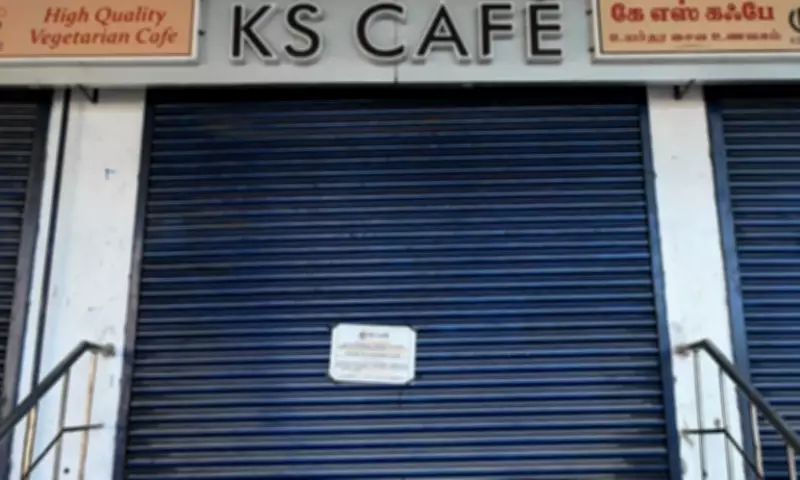
The food sector has been hit particularly hard. India, which relies heavily on imports through the Strait of Hormuz for cooking gas, has seen black-market prices for liquefied petroleum gas (LPG) cylinders nearly triple. Restaurants are struggling to operate; a renowned 70-year-old Mumbai establishment has cut its Ramadan menu from multiple courses to only four dishes. In Bengaluru, a viral sign at a restaurant read, "There will be no roti due to gas cylinder crisis (due to war between Iran and USA)." Approximately 10,000 restaurants in Tamil Nadu alone face potential closure.

The fertilizer crisis compounds the problem. With the Gulf region exporting a third of the world's urea, the timing of the Strait's closure coincides with the Northern Hemisphere's spring planting season. Bangladesh has shut down four of its five state-owned urea plants, and Nepal has experienced a 40 percent price hike in urea ahead of its critical paddy season. Brazil is redirecting sugar harvests toward ethanol production due to high oil prices, threatening global sugar supplies. The World Food Programme warns that an additional 45 million people could face acute food insecurity, a 15 percent increase from current levels.
Environmental and Climate Consequences
The disruption of liquefied natural gas (LNG) supplies has sparked a coal resurgence across Asia and Europe. Japan is relaxing restrictions on its oldest coal plants, while South Korea has removed seasonal caps on coal power and delayed the retirement of three plants. Thailand, the Philippines, and Indonesia are expanding coal operations, and Germany is considering restarting decommissioned coal plants. This shift threatens to undo years of progress in clean energy and exacerbate climate change.
In India, the government has authorized restaurants and hotels to burn wood, dried crops, and cow dung, reversing clean-fuel initiatives and posing health risks. Coal companies are benefiting financially, with Australia's Yancoal seeing a 40 percent increase and Pennsylvania-based Core Natural Resources up 30 percent since the war began.
Potential Silver Linings and Long-Term Implications
Despite the turmoil, there are signs of accelerated adoption of renewable energy. In Nepal, over 70 percent of new car sales are electric, and electric rickshaws are selling out in Pakistan. Chinese automaker BYD projects overseas sales to be 15 percent higher than pre-war estimates. Some analysts describe this as "Asia's Ukraine moment," a shock that could hasten the transition to renewables, similar to Europe's shift after Russia's invasion of Ukraine.
However, these advancements offer little immediate relief to the billions in the Global South facing food and energy shortages. The short-term reliance on coal and other polluting fuels endangers lives and the environment. While these populations are not directly fighting the Iran war, they are undoubtedly suffering its consequences, with impacts felt in kitchens, classrooms, and fields worldwide.