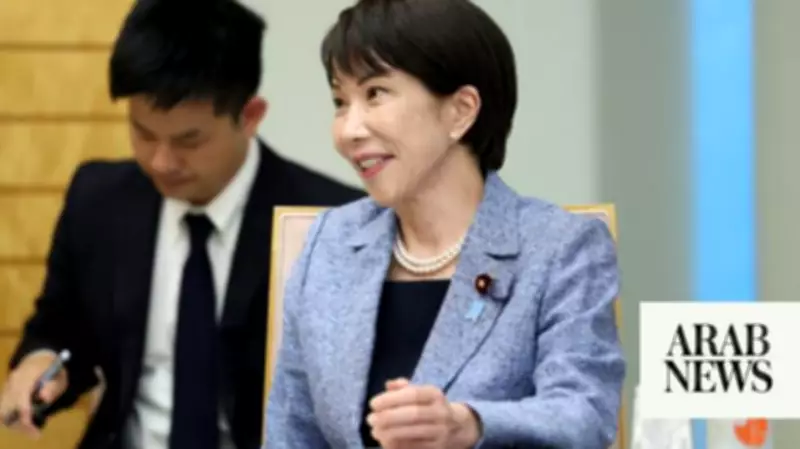
Japanese Prime Minister Sanae Takaichi is set to make a two-day visit to South Korea starting May 19, at the invitation of President Lee Jae Myung, according to Seoul's presidential office. The trip underscores efforts by the two US-allied democracies to bolster ties while confronting shared challenges from nuclear-armed North Korea and a more assertive China.
Visit to Andong
Takaichi will travel to Andong, Lee's hometown and the capital of North Gyeongsang Province. Seoul described this as a reciprocal gesture after the Japanese leader hosted Lee in her home prefecture of Nara in January. The two leaders are expected to discuss the direction of South Korea-Japan relations and ways to enhance practical cooperation in various fields, including economic security and regional issues.
Agenda and Discussions
Lee's office stated that the talks will cover regional and global issues, such as the situation in the Middle East, as well as matters affecting people's livelihoods including the economy, society, and public safety. Tokyo confirmed the visit, with Japan's deputy chief cabinet secretary informing parliament that Takaichi would meet Lee on May 19-20.

Previous Engagements
Lee and Takaichi first met on the sidelines of the APEC summit in Gyeongju, North Gyeongsang Province, in October last year. During Lee's visit to Japan in January, they agreed to strengthen cooperation on economic security and regional and global issues. Notably, Takaichi played two K-pop songs during a post-summit drumming session with Lee, who joked he felt "a little awkward at first" in front of the Japanese prime minister, who reportedly used to drum in a student heavy metal band.
Historical Context
Relations between South Korea and Japan have long been strained by issues stemming from Japan's 1910-45 occupation of the Korean peninsula. There have been concerns that ties could worsen under the conservative Takaichi. Lee's conservative predecessor, Yoon Suk Yeol, who declared martial law in December 2024 and was removed from office, had sought to improve relations with Japan. Lee has taken a more dovish approach toward North Korea and has described South Korea and Japan as "neighbors sharing a front yard."