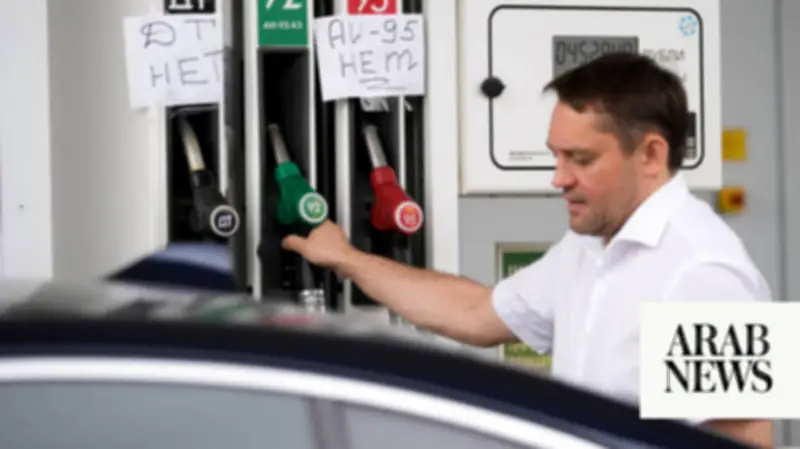
Kazakhstan has agreed to supply 50,000 metric tons of gasoline to Russia during July and August as humanitarian aid, according to four industry sources who spoke on Wednesday. The move comes as Russia faces severe fuel shortages, long queues at filling stations, and surging gasoline and diesel prices following Ukrainian attacks on Russian energy infrastructure, including oil refineries, aimed at undermining Moscow's war funding.
Fuel Shortages in Russia
In recent weeks, Ukraine has targeted Russian oil refineries, disrupting fuel production and leading to shortages across various regions. Gasoline consumption in Russia reaches at least 110,000 tons per day during the summer months when demand is high. President Vladimir Putin has acknowledged that the strikes triggered fuel shortages but assured that Russia is addressing the issue. He also accused Ukraine of attempting to create discord among Russians.
Details of the Supply Agreement
Sources indicated that Kazakhstan’s Pavlodar and Kondensat refineries will supply gasoline grades Ai-95 and Ai-92. The supply is intended as humanitarian aid, though the exact terms of payment remain unclear. However, sources noted that payments could be complicated by sanctions risks related to the Ukraine conflict.

Kazakhstan’s energy ministry, in emailed comments, stated that it has not received a request from Russian state entities regarding fuel supplies as humanitarian aid. At the same time, the ministry did not rule out supplies from the Kondensat plant, which processes naphtha supplied by Russia’s Tatneft oil major. “The possibility of supplying motor gasoline produced by Kondensat LLP to Russia in the near future will depend on the level of petroleum product availability on Kazakhstan’s domestic market,” the ministry said. It added, “If such supplies are carried out, the motor gasoline will be produced using feedstock supplied by Russia’s Tatneft.”
Other Import Sources
Earlier, other industry sources reported that Russia had begun importing gasoline from India as well. The combination of imports aims to alleviate the domestic fuel crisis, which has been exacerbated by the ongoing conflict.
Impact and Sanctions Concerns
The fuel shortages have caused public discontent and economic strain in Russia. While the humanitarian aid from Kazakhstan may provide temporary relief, the sustainability of such supplies is uncertain due to potential sanctions risks. The involvement of Tatneft, a Russian company, in the supply chain could attract scrutiny from Western sanctions authorities.