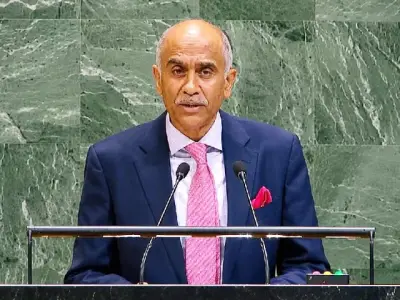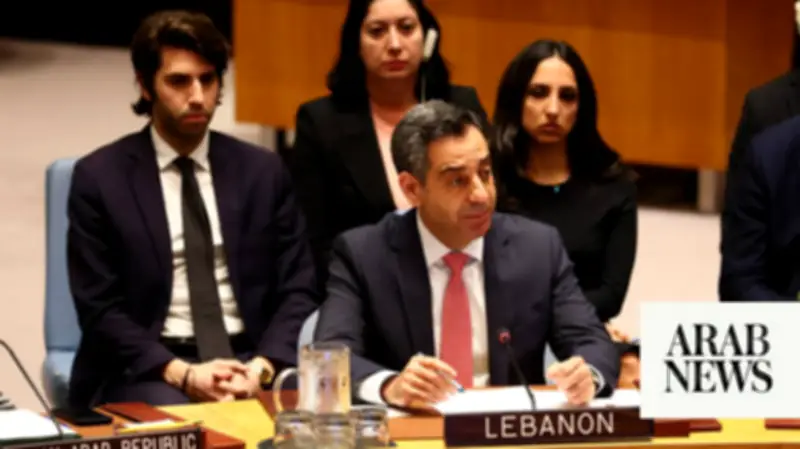
Lebanon's permanent representative to the United Nations, Ahmad Arafa, on Wednesday accused both Israel and Iran of actively undermining US-brokered efforts to end the conflict in his country. Speaking before the UN Security Council, Arafa emphasized that "the cost of diplomacy is always lower than the cost of war."
Lebanon's Commitment to Diplomacy
Arafa stated that Lebanon's government remains engaged in ongoing discussions with Israel, facilitated by Washington through an initiative launched by President Donald Trump on March 9. The goal, he said, is to end what he described as "devastating Israeli aggression," conclude the occupation of Lebanese territory by Israel, and restore the country's full sovereignty.
Despite Beirut's commitment to the diplomatic process, Arafa noted that Israel's conduct on the ground was working against it. He did not provide specific details but implied that Israeli actions contradicted the spirit of the negotiations.

Iran's Interference
Arafa also called out Iran directly, pointing out that authorities in Tehran had publicly rejected a June 3 ceasefire agreement. He characterized this move as "a stark statement of interference in Lebanon's internal affairs." He added, "One would legitimately wonder whether perpetual confrontation is a deliberate policy to pursue, not a problem to be solved" in Iran.
The envoy's remarks come amid heightened tensions in the region, with Lebanon caught between the competing interests of Israel and Iran. The US-brokered initiative aims to de-escalate the conflict, but Arafa's accusations suggest that external actors are hindering progress.
Call for International Support
Arafa urged the international community to support diplomatic efforts and hold accountable those who undermine peace. He reiterated Lebanon's desire for a peaceful resolution and full sovereignty over its territory.
The Security Council session highlighted the complex dynamics in the Middle East, where regional rivalries often spill over into Lebanon. The US initiative remains a key framework, but its success hinges on the cooperation of all parties involved.