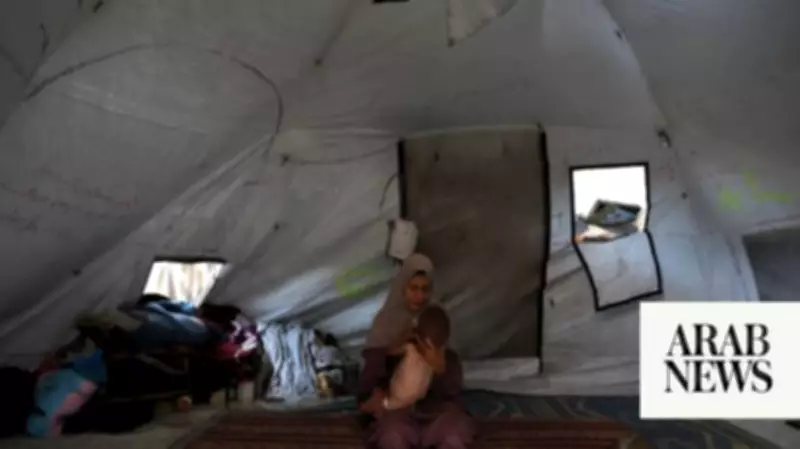
A new analysis by Medecins Sans Frontieres (MSF) has revealed that Israeli restrictions on food and humanitarian aid have led to alarming levels of malnutrition in Gaza, with devastating consequences for pregnant women, newborns, and infants. The medical charity reported a sharp deterioration in maternal and child health during periods of intense hostilities and siege, particularly in mid-2025.
MSF's Findings on Malnutrition Crisis
According to Jack Latour, MSF’s Gaza nursing activity manager who recently left the strip, the crisis was entirely avoidable. He described seeing the lights of Rafa, where aid trucks are stationed, while simultaneously admitting new cases of severe malnutrition daily. He recounted treating mothers weighing only 35 kilograms while six months pregnant, calling the situation unbearable.
MSF’s data shows that over half of 201 mothers treated in neonatal intensive care units in Khan Younis and Gaza City between June 2025 and January 2026 suffered from malnutrition during pregnancy. A quarter remained malnourished at delivery. Nearly 90 percent of babies born to malnourished mothers were premature, and 84 percent had low birth weight. Infant mortality in this group was twice as high as among babies of well-nourished mothers.

Rising Malnutrition Cases
MSF identified its first child malnutrition cases in Gaza in January 2024. By March 2026, nearly 5,000 children, mostly under five, had been admitted to its nutrition programs, along with over 3,400 pregnant and breastfeeding women. Although the situation has stabilized, MSF admitted 400 children for malnutrition in the past three months alone.
Latour noted the fragility of the situation, stating that most incoming trucks are commercial, not humanitarian. With an 80 percent unemployment rate and high inflation, families struggle daily to feed their children, even if they do not meet malnutrition thresholds.
Famine Declaration and Ongoing Risks
Between October and November 2025, about three-quarters of Gaza’s population faced acute food insecurity. A famine was declared earlier that year, the first in the Middle East. Latour expressed concern that the situation could quickly revert to famine, as Israel’s ability to deliberately create such an environment means it could happen again.
On January 1, 2026, Israeli authorities revoked licenses of 37 humanitarian organizations, including MSF, under new registration rules, hindering medical support to Gaza. Latour fears that the loss of these organizations would reduce exposure and support if hostilities resume. She expressed guilt about leaving Gaza and uncertainty about seeing her teams again, given the high number of healthcare workers killed.