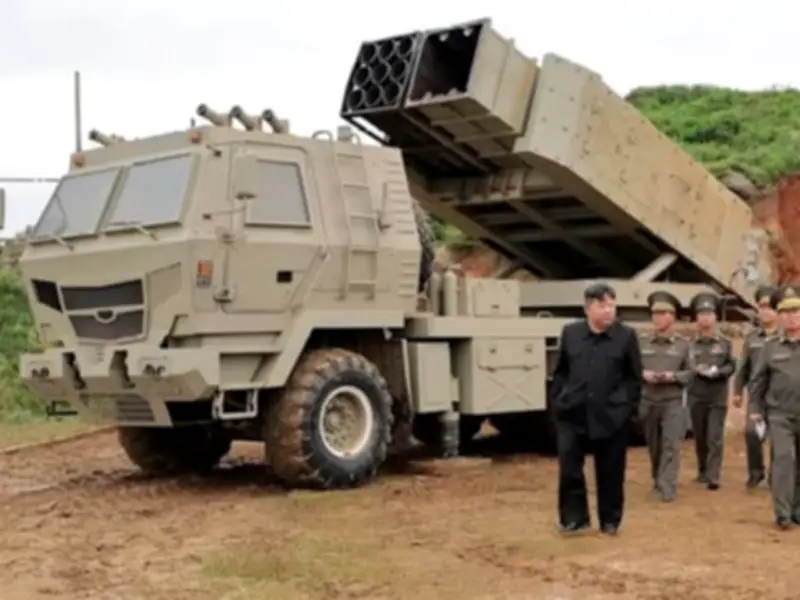
North Korea declared on Sunday that its status as a nuclear weapons state is irreversible and essential for regional stability, dismissing demands from the United States and its allies for denuclearisation. Pyongyang has consistently refused to abandon its nuclear arsenal, framing it as vital for deterrence. Earlier this month, Kim Yo Jong, the powerful sister of leader Kim Jong Un, described the nuclear policy as a line of no retreat.
Rejection of Trilateral Meeting Outcome
The North's statement came in response to a trilateral meeting held in Tokyo on Friday among South Korea, Japan, and the United States. At that meeting, the allies reaffirmed their commitment to the complete denuclearisation of the Korean Peninsula, according to Seoul's foreign ministry. The unnamed North Korean spokesperson, in a statement carried by the official Korean Central News Agency, said: The US and its vassal forces' meaningless rhetoric against the DPRK... can never affect the irreversible position of the DPRK as a nuclear weapons state.
Regional Implications
Analysts view North Korea's firm stance as a challenge to international non-proliferation efforts. The country's nuclear and missile programs have prompted multiple rounds of UN sanctions. Despite diplomatic overtures, including summits between Kim Jong Un and former US President Donald Trump, no agreement on denuclearisation has been reached. The current administration in Washington has indicated a willingness to engage, but Pyongyang has shown little interest in talks unless sanctions are lifted.

North Korea's claim of irreversible nuclear status underscores the deep impasse in negotiations. The regime has invested heavily in its weapons programs, conducting nuclear tests and launching intercontinental ballistic missiles capable of reaching the US mainland. The statement also serves as a reminder that Pyongyang views its nuclear deterrent as a guarantee of regime survival and a tool for negotiating from a position of strength.