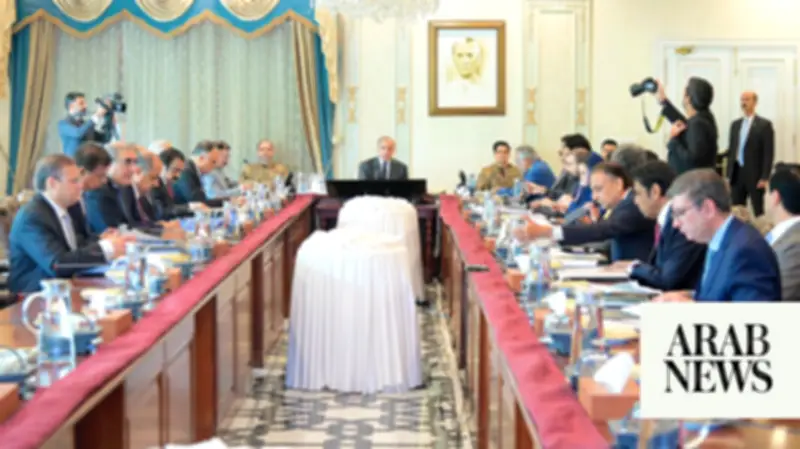
Pakistan’s National Economic Council (NEC) on Wednesday approved a national development budget of Rs3,669 billion ($13 billion) for the upcoming fiscal year 2026-27, as the country aims for a 4 percent gross domestic product (GDP) growth rate. The meeting, chaired by Prime Minister Shehbaz Sharif in Islamabad, also set a 3.7 percent growth rate for the current fiscal year 2025-26.
Budget Allocation Details
Of the total development budget, the NEC allocated Rs1,000 billion ($3.5 billion) for the federal Public Sector Development Program (PSDP), Rs2,218 billion ($7.9 billion) for provincial development programs, and Rs451 billion ($1.6 billion) for state-owned enterprises (SOEs). The council directed relevant ministries, provinces, and government agencies to collaborate with the Ministry of Planning to achieve the goals outlined in the proposed annual plan for 2026-27.
Consultations and IMF Program
The budget presentation, originally scheduled for June 5, was postponed twice and is now set for June 12 as authorities seek to build consensus among coalition partners. The financial plan is expected to be shaped by revenue targets and reforms linked to Pakistan’s $7 billion International Monetary Fund (IMF) program. According to officials, the IMF has requested Pakistan to introduce at least Rs430 billion ($1.5 billion) in additional fiscal measures in the upcoming budget, alongside a nearly matching contribution from the provinces.

Prime Minister’s Remarks
Presiding over the NEC meeting, Prime Minister Shehbaz Sharif thanked the chief ministers of all four provinces for their “exemplary cooperation” and his economic team for its efforts in ensuring economic stability. He emphasized the importance of maintaining fiscal discipline under the IMF program while also addressing demands for tax relief and increased social spending.
The approval of the development budget marks a key step in Pakistan’s efforts to stabilize its economy and achieve sustainable growth. The government aims to balance fiscal consolidation with development priorities, focusing on infrastructure, social sectors, and provincial development.