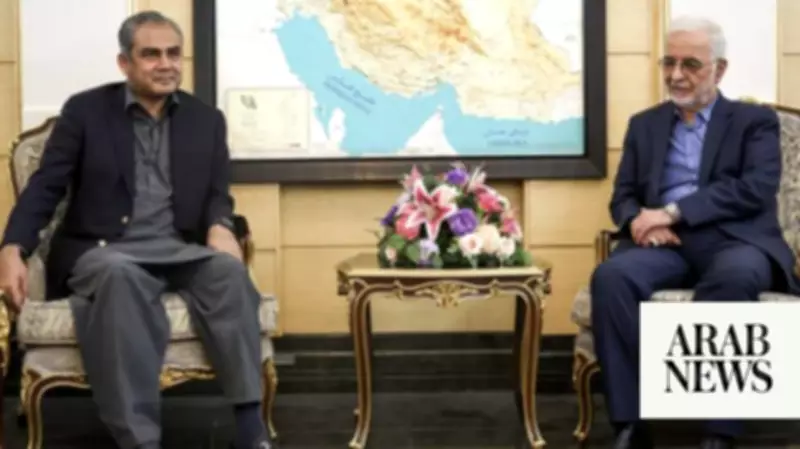
Pakistan's Interior Minister Mohsin Naqvi arrived in Tehran on Saturday for talks with senior Iranian officials, as Islamabad continues its diplomatic efforts to ease tensions surrounding the ongoing Iran-US conflict and disruptions linked to the blockade of the Strait of Hormuz.
Background of the Conflict
The war erupted after joint US-Israeli strikes on Tehran on February 28, which triggered Iranian retaliation and a blockade of the Strait of Hormuz, a critical global energy corridor through which roughly one-fifth of the world's oil and gas passes. While a fragile ceasefire announced on April 8 remains in place, negotiations between Washington and Tehran have largely stalled following a first round of direct talks in Islamabad, with disputes over Iran's uranium enrichment program and regional security continuing to hamper progress.
Details of the Visit
An interior ministry source confirmed to Arab News on condition of anonymity that Naqvi had reached Iran, without offering further details. Iran's state-run IRNA news agency reported that Naqvi arrived in Tehran "a few hours ago" as part of an unannounced visit and was expected to meet senior officials of the Islamic Republic. Iran's Mehr news agency also reported the visit, stating that the Pakistani minister was in Tehran for talks with Iranian officials.

Pakistan's Mediation Role
Pakistan has positioned itself as a mediator since the conflict began. The country's foreign ministry said last month that Islamabad remained engaged in diplomatic efforts aimed at lowering regional tensions, though it declined to disclose details of ongoing discussions. Foreign ministry spokesperson Tahir Andrabi told reporters, "The clock on diplomacy has not stopped. The peace process is working."
Naqvi had previously accompanied Pakistan's army chief, Field Marshal Asim Munir, during a three-day visit to Tehran in April, when Islamabad intensified contacts with regional capitals amid efforts to facilitate dialogue between Iran and the United States.
Current Status of Negotiations
The latest visit comes a day after Iranian Foreign Minister Abbas Araghchi said in New Delhi that distrust of Washington remained the biggest obstacle in negotiations with the United States, while signaling openness to diplomatic support from countries in the region. Tensions in the Gulf remain elevated despite the ceasefire, with Iran maintaining restrictions around the Strait of Hormuz and the United States continuing its blockade of Iranian ports, contributing to volatility in global energy markets.