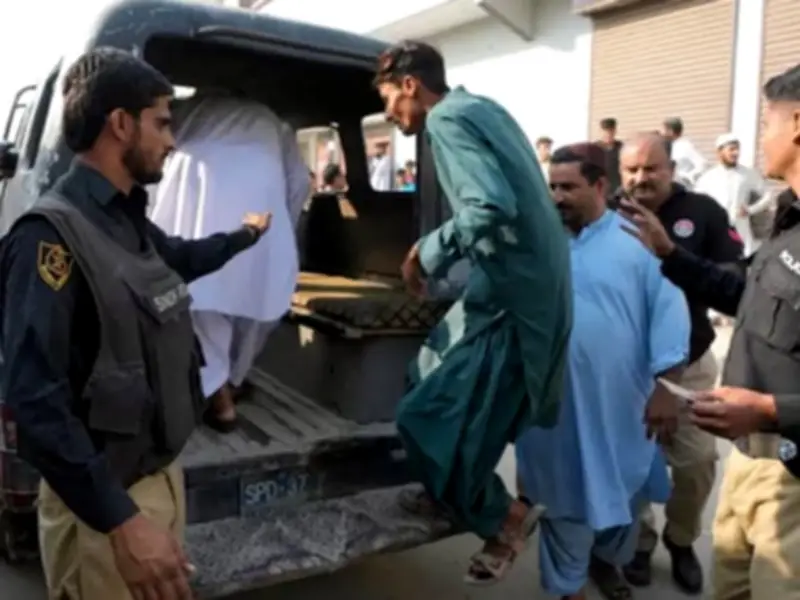
The Ministry of Interior has ordered an immediate crackdown on undocumented Afghan nationals, directing authorities across the country to arrest any Afghan citizen found residing in Pakistan without a valid visa from July 10 as part of the government's ongoing Illegal Foreigners' Repatriation Plan (IFRP). The directive, issued to the chief secretaries of all four provinces, Gilgit-Baltistan and Azad Jammu and Kashmir, as well as the chief commissioner of the Islamabad Capital Territory (ICT), follows decisions taken during a review meeting on the IFRP held on June 1, 2026.
Accelerated Repatriation and Deportation Process
The ministry also instructed provincial administrations and law enforcement agencies to accelerate the repatriation and deportation process and ensure uniform enforcement of the policy nationwide. According to the notification, all provincial governments, special area governments and the ICT administration had been directed during the review meeting to expedite the repatriation and deportation of Afghan nationals, including those who had overstayed their visas, while ensuring strict implementation of the IFRP.
Arrest Directive Effective July 10
"With effect from July 10, 2026, any Afghan national found residing in Pakistan without a valid visa shall be arrested immediately," the notification stated. The ministry directed provincial authorities to issue the necessary instructions to all deputy commissioners, district administrations, police and other relevant law enforcement agencies to ensure the "uniform and effective implementation" of the directive.

Background of the IFRP
The Illegal Foreigners' Repatriation Plan was launched by the Pakistani government to address the presence of undocumented foreigners, primarily Afghan nationals, who have been living in the country for decades. The plan aims to systematically identify, detain, and deport individuals without legal status, with a focus on those who have overstayed their visas or entered the country illegally.
Impact on Afghan Community
The crackdown is expected to affect a large number of Afghan refugees and migrants residing in Pakistan. Many Afghan nationals have been living in the country since the Soviet invasion of Afghanistan in 1979, and subsequent conflicts have led to prolonged stays. The directive underscores the government's commitment to enforcing immigration laws and addressing security concerns associated with undocumented populations.