Islamabad MoU Under Threat as Strait of Hormuz Dispute Intensifies
The Islamabad Memorandum of Understanding, signed with great fanfare by the USA and Iran with Pakistan as guarantor, was hailed as a significant step toward ceasefire and cessation of war. World leaders appreciated Pakistan's efforts. However, analysts warned that the acute trust deficit between the US and Iran could hinder smooth technical talks on complex issues. Indeed, preliminary meetings have stalled as delegations clash over interpretation of the MoU clauses.
USA Demands Iranian Relinquishment of Strait Control
The United States insists that Iran relinquish control of the Strait of Hormuz to ensure free maritime traffic. Iran, however, cites the MoU clause that provides a framework for regulating maritime passage and charges for services by littoral states. The Strait of Hormuz has emerged as a more contentious and inflammatory issue than the Iranian Nuclear Programme. The Iranian Revolutionary Guards are reluctant to yield control, which they view as their most effective leverage to influence the war by targeting the economies of US Gulf allies and disrupting global oil supply.
Economic Pressure and Direct Communications
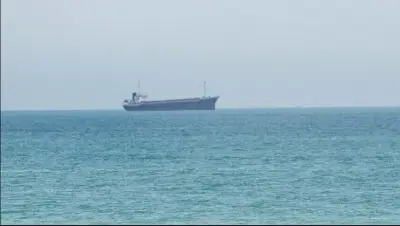
The potential collapse of the global economy has pressured US leadership to seek cessation of hostilities. Some countries have signaled a desire to communicate directly with the Strait of Hormuz controlling authority established by Iran, which collects tolls from shipping companies. Before the war, the Strait was a free navigational waterway; the conflict has altered the scenario, making it difficult to restore its previous status.

Mutual Distrust and Escalating Attacks
Iran fears that if it cedes control, the US and Israel will renege on MoU pledges regarding frozen assets, reconstruction funds, and sanctions relief. These fears stem from repeated breaches of trust by Israeli and US leaders. Following the MoU signing, the IRGC has allowed cargo ships passage only after security clearance, but they have been blamed for firing at Saudi and Qatari oil tankers. In response, the US has bombed civilian and strategic sites in Iran, triggering severe retaliation. This escalation has shredded the MoU.
Role of Israel and US Military Build-up
President Trump has directed angry rhetoric at Iranian leadership, while Iran protests continued Israeli violations of the MoU in southern Lebanon. Israel has actively sabotaged chances of a deal with Iran and opposed the ceasefire. It remains unclear which country has been firing at cargo ships in Gulf waters; a spoiler may be involved. Israel previously attempted to extend the war to Gulf countries, but Gulf leaders foiled that effort. Meanwhile, the US has reinforced its naval presence in Gulf waters and prepared for swift air strikes on Iranian targets. US military bases in Gulf countries have been fortified to counter Iranian drone and missile attacks.
Global Concerns Over Strategic Stability
Iranian apprehensions that the US is using the ceasefire to fortify military positions are not unfounded, given President Trump's changing mood and fiery rhetoric. The new tension over the Strait of Hormuz is turning world opinion against the IRGC. US allies in Europe and the Gulf already loathe them for hard-line posturing and proxy wars in Lebanon, Syria, Iraq, and Yemen. The emerging strategic scenario has fueled global concern about international peace and security, as the Strait remains the most significant lifeline of the global economy.
US Strategy Targets IRGC Power Base
In new air strikes, the US and Israel have targeted strategic sites in Iran, likely drone and missile manufacturing sites, to weaken IRGC firepower. The US long-term strategy appears to aim at gradually eroding IRGC power by neutralizing them in Syria and creating a wedge between Hezbollah and the Lebanese regime. The US has also re-imposed an embargo on Iran's oil exports to strangle its economy. Israeli Prime Minister Netanyahu has refused to respect the MoU, asserting that Israel will ensure its security alone if necessary. Two days ago, he repeated threats to attack Iran with full force.