Shareholder resolution on ICE contracts fails to gain traction
A shareholder resolution calling on Thomson Reuters to review the human rights implications of its work with U.S. immigration authorities received only about 3% support at the company’s annual meeting on Wednesday. The proposal, put forward by a British Columbia government workers union, focused on products and services sold to law enforcement that some investors and employees say may aid the Trump administration’s crackdown on undocumented immigrants.
Vote outcome
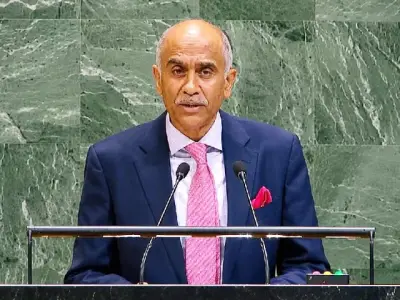
Thomson Reuters had opposed the resolution, and Chairman David Thomson stated that “over 95 percent” voted against the shareholder measure, while “over 3 percent” supported it. A company spokesperson welcomed the outcome, saying it reflects shareholders’ confidence in the board’s recommendation to vote against the proposal.
Background on contracts
Supporters of the failed resolution cited a $22.8 million contract with the Department of Homeland Security that provided license plate reader data to Immigration and Customs Enforcement (ICE). That contract and others were awarded to Thomson Reuters Special Services (TRSS), a unit based in McLean, Virginia, which says its products help prevent financial crimes and assist law enforcement. Reuters news organization operates independently from the rest of Thomson Reuters’ business.

Investor perspectives
Corporate governance expert Douglas Chia said the vote indicates that major investors either saw the measure as unnecessary or had no appetite for confrontation with the Trump administration over immigration policies. Norway’s sovereign wealth fund voted against the measure, stating that the company did not appear to have significant gaps in managing relevant sustainability risks.
Proponent’s reaction
Emma Pullman, head of shareholder engagement for the British Columbia General Employees’ Union, commended Thomson Reuters for existing disclosures but said a specialized audit of products for law and immigration enforcement could help investors. She noted that the company’s “disclosure still falls short of our expectations” and that additional disclosure could demonstrate its commitment to human rights.